OBSERVATORY IIST THIRUVANANTHAPURAM (8.6265° N, 77.0340° E) SPECTROSCOPY HST/COS (FUV) • VLT/MUSE (3D IFU)
ORCID 0009-0003-1664-3369 KEY IONS H I • Mg II • O VI • Ne VIII
PhD Research Scholar • Observational Cosmology & Spectroscopy

Sumukha R Bharadwaj

Circumgalactic & Intergalactic Medium • Quasar Absorption Systems
“Tracing the invisible baryonic filaments, cold-mode inflows, and warm-hot feedback halos that govern galaxy evolution.”

I am a PhD researcher in the Department of Earth and Space Sciences at the Indian Institute of Space Science and Technology (IIST), advised by Dr. Anand Narayanan. My work probes the physical, chemical, and kinematic state of diffuse gas in the circumgalactic medium (CGM) and intergalactic medium (IGM).

By combining ultraviolet quasar absorption spectroscopy from HST/COS with 3D integral field unit (IFU) galaxy kinematics from VLT/MUSE—interpreted alongside magnetohydrodynamical simulations such as IllustrisTNG and EAGLE—I investigate how pristine cosmic web accretion and energetic feedback shape galaxies across cosmic time.

H I Ly-series & pLLS (10⁴ K Inflows) Mg II λλ2796, 2803 (Cool Disc-Halo) O VI λλ1031, 1037 (10⁵·⁵ K Interface) Ne VIII λλ770, 780 (10⁶ K Warm-Hot Halo)
SIGHTLINE COORD 01h07m17.4s -02°39.8'
IMPACT PARAMETER (ρ/Rvir) 0.90 R_vir
PROBED CGM PHASE Cold-Mode Inflow Stream (pLLS • H I + Mg II)
01 — Simulations & Sightlines IllustrisTNG • EAGLE • HST/COS

Cosmological Hydrodynamical Simulations & CGM Spectroscopy

Absorption-line observations capture a 1D pencil-beam skewer through a turbulent, 3D multiphase halo. Cosmological magnetohydrodynamical simulations (IllustrisTNG and EAGLE) provide the physical framework to connect observed H I, Mg II, O VI, and Ne VIII kinematics to cold-mode filamentary accretion and SMBH/stellar feedback.

TNG100 Halo #194946 (M* = 2 × 10¹¹ M☉) • Direct MP4 ↗
Simulation Credit: E. Zinger et al. (MNRAS 499, 768, 2020) & The IllustrisTNG Collaboration (D. Nelson, V. Springel, A. Pillepich et al.).
TNG Media Archive ↗

8-Panel CGM Physical Field Guide

Click any of the 8 co-evolving physical quantities shown in the TNG100 simulation movie to inspect how it connects to quasar absorption diagnostics:

Panel 04: Gas-Phase Metallicity (Z / Z☉)

Contrasts chemically pristine/sub-solar intergalactic accretion streams (such as the log(Z/Z☉) = −1.05 partial Lyman limit absorber toward LBQS 0107−0235) against metal-enriched bipolar outflows driven by supernovae and AGN feedback.

Simulated Galaxy-Pair Halo (Drag QSO Sightline) LBQS 0107−0235 (z = 0.87641 pLLS • Bharadwaj et al. 2026)
Impact (ρ/Rvir) 0.90 R_vir
Metallicity [Z/H] -1.05 dex
Density log nH -3.10 cm⁻³
Gas Temp T 10^4.25 K
Synthetic HST/COS Normalized Absorption Profiles F(Δv) Rest-Frame Velocity Δv ∈ [−300, +300] km s−¹

Observational Diagnostic: Along the projected major axis (Bharadwaj et al. 2026), cool co-rotating accretion filaments produce strong H I partial Lyman limit absorption (log N(H I) ≈ 16.8) and narrow Mg II with sub-solar metallicity (log Z/Z☉ = −1.05). Piercing the warm-hot group/pair halo (PKS 0405−123 & HE 0226−4110) reveals broad O VI and Ne VIII transitions at T ∼ 105.5–6.0 K.

TNG50 • GALAXY FORMATION

Single Galaxy Formation & Kinematics in TNG50

At ~100–200 pc spatial resolution in IllustrisTNG50, tracing filamentary gas accretion, cold circumgalactic clouds (Nelson et al. 2020), and star-forming disk formation from high redshift down to z = 0.

Credit: D. Nelson et al. / TNG Collaboration • TNG50 Movie MP4 ↗
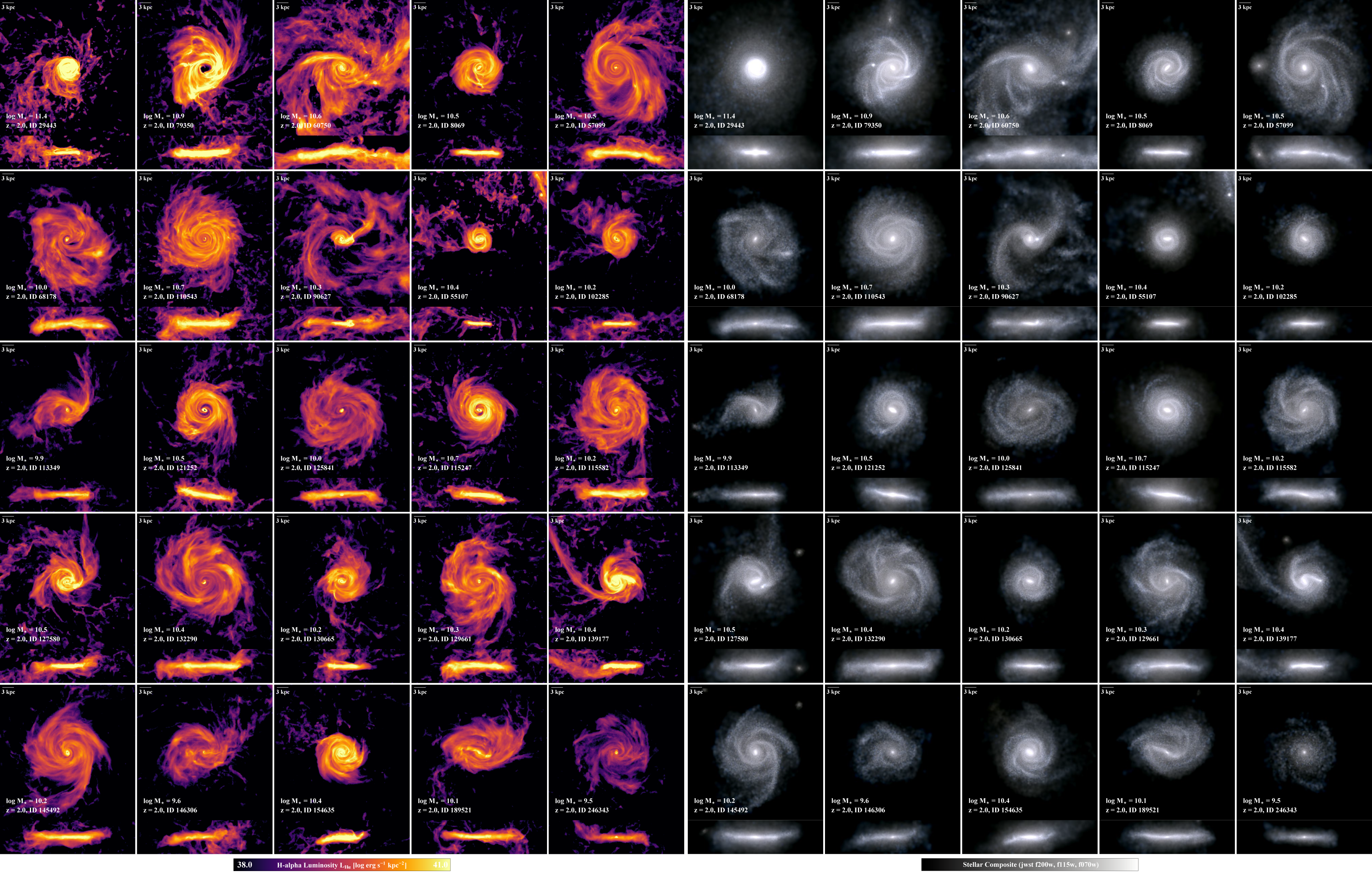
TNG50 Star-Forming Disk Galaxies H-alpha and Optical Starlight TNG50 • GALAXY KINEMATICS

Galactic Outflows & Disk Kinematics in TNG50

Nelson et al. (2019) and Pillepich et al. (2019) demonstrate how isotropic supernovae and SMBH energy injection collimate into bipolar outflows perpendicular to rotating star-forming disks, while co-planar filaments feed cold-mode accretion near the major axis.

Credit: A. Pillepich & D. Nelson / TNG Collaboration • TNG50 Cluster Video ↗
Time Evolution & Rotation in EAGLE
EAGLE • ROTATION OVERVIEW

Time Evolution in EAGLE: Galaxy Assembly

Multi-angle cuts and dynamical projections through the EAGLE cosmological volume (Schaye et al. 2015; Crain et al. 2015), tracking the co-evolution of diffuse gas, stellar disks, and dark matter haloes across cosmic time.

02 — Research Program UV Spectroscopy × 3D IFU

Observational Architecture & Active Projects

Combining high-resolution far-ultraviolet space spectroscopy (HST/COS) with optical 3D integral field unit observations (VLT/MUSE) and photoionization modeling (Cloudy) to decode the baryon cycle around galaxies.

Pillar 01 • Warm-Hot Circumgalactic Gas HST/COS + VLT/MUSE

Ne VIII & O VI Absorbers in Galaxy Pair & Group Halos

Investigating the warm-hot plasma phase (T ∼ 105.5–6.0 K) of the circumgalactic medium traced by the high-ionization Ne VIII λλ770, 780 and O VI λλ1031, 1037 doublets toward background quasars PKS 0405−123 and HE 0226−4110. By mapping the surrounding galaxy environments with VLT/MUSE, we evaluate whether warm-hot absorbers trace virialized intragroup gas, tidal interactions in galaxy pairs, or feedback-driven interfaces.

Ne VIII λλ770, 780 O VI λλ1031, 1037 Galaxy Pair Halos Collisional vs. Photoionization
Pillar 02 • Cold-Mode Accretion & Lyman Limit Systems ApJ 1008, 155 (2026)

Partial Lyman Limit Systems & Galaxy–Absorber Kinematics

Analyzing optically thin and partial Lyman limit systems (pLLS; 16.0 ≲ log N(H I)/cm−2 ≲ 17.2) in conjunction with 3D morpho-kinematic modeling (GalPaK3D) and stellar population synthesis (Prospector, BAGPIPES) of host galaxies. Our study toward LBQS 0107−0235 (z = 0.87641) reveals metal-poor (0.1 Z☉) gas aligned with the major axes of a rotating galaxy pair, consistent with cold-mode accretion streams.

pLLS (z = 0.87641) log(Z/Z☉) = −1.05 GalPaK3D Kinematics Cloudy Modeling
Pillar 03 • Cool Low-Redshift CGM Large Spectroscopic Surveys

Weak Mg II Absorbers & Environmental Demographics

Probing the sub-kiloparsec cool phase (T ∼ 104 K) of low-redshift circumgalactic and intergalactic environments using weak Mg II λλ2796, 2803 absorption systems across large archival spectroscopic surveys. Characterizing how absorber equivalent widths, cloud densities, and metallicities scale with host galaxy star-formation rates and impact parameter.

Weak Mg II λλ2796, 2803 Low-z CGM Demographics Voigt Profile Fitting
Pillar 04 • Prior Observational Research Indian Institute of Astrophysics (IIA)

Transiting Exoplanetary Atmospheres & Spectral Reduction

During my Master’s dissertation at the Indian Institute of Astrophysics (IIA), Bengaluru under Dr. Sivarani Thirupathi, I performed end-to-end spectroscopic reduction of ground-based transit observations of hot Jupiters HAT-P1-b and WASP-33b using IRAF, coupled with Markov chain Monte Carlo (MCMC) transit light-curve fitting via pylightcurve.

HAT-P1-b & WASP-33b IRAF / PyRAF MCMC Light-Curve Fitting
03 — Academic Output The Astrophysical Journal

Peer-Reviewed Publications & Manuscripts

First-author observational investigations of multiphase circumgalactic gas, cold-mode accretion, and warm-hot galaxy pair halos in The Astrophysical Journal.

Published • ApJ 1008, 155 (2026) DOI: 10.3847/1538-4357/ae853b arXiv:2608.09418 [astro-ph.GA]

A Partial Lyman Limit Absorber Tracing Cold-Mode Accretion

arXiv Preprint Title: “A Partial Lyman Limit Absorber in the Halo of a Galaxy Pair: A Possible Signature of Gas Inflow”
Sumukha R. Bharadwaj, Anand Narayanan, Sowgat Muzahid, Jane C. Charlton, and Sebastiano Cantalupo
Quasar: LBQS 0107−0235 zabs: 0.87641 Metallicity: log(Z/Z☉) = −1.05 (0.1 Z☉) Density: log(nH/cm−³) ≈ −3.1 Impact: ρ/Rvir ≈ 0.9 (G1 & G2 Pair) Kinematics: |Δv| = 18 & 99 km s−¹
Submitted • Under Review The Astrophysical Journal (ApJ)

Warm-hot circumgalactic gas in galaxy pair halos: Ne VIII and O VI absorption toward PKS 0405−123 and HE 0226−4110

Sumukha R. Bharadwaj, et al.
Sightlines: PKS 0405−123 & HE 0226−4110 Diagnostics: Ne VIII λλ770, 780 & O VI λλ1031, 1037 Environment: Galaxy Pair Halos (HST/COS + VLT/MUSE)
04 — Scientific Software ΛCDM Framework • Flutter & Web

ΛCDM Cosmology Calculator (Interactive & Android APK)

A portable cosmological utility implementing numerical Friedmann–Lemaître–Robertson–Walker (ΛCDM) integration for computing lookback times, comoving/angular/luminosity distances, and physical angular scales at absorber redshifts. Test it live below or download the native Flutter Android release.

Cosmological Parameters (Planck 2018 Default) Flat / Non-Flat ΛCDM
Computed Observational Quantities Simpson Quadrature (N=400)
Age of Universetuniv
13.80 Gyr
Lookback Timetlb(z)
7.39 Gyr
Comoving DistanceDC(z)
3055.2 Mpc
Angular Diameter Dist.DA(z)
1628.2 Mpc
Luminosity DistanceDL(z)
5732.8 Mpc
Scale & TCMB(z)kpc/″ • T(z)
7.89 kpc/″ • 5.11 K
05 — Curriculum Vitae Academic & Technical Ledger

Education, Experience & Technical Arsenal

Complete academic record, spectroscopic modeling stack, and specialized schools.

Download Full CV (PDF) ↗
Academic Education
2024 – PRESENT
Ph.D. in Astronomy and Astrophysics
Advisor: Dr. Anand Narayanan • Department of Earth and Space Sciences
2021 – 2023
M.Sc. in Physics
St. Joseph’s College (Autonomous), Bengaluru City University
Graduated with an aggregate SGPA of 8.25
2018 – 2021
B.Sc. in Physics, Chemistry, Mathematics
St. Joseph’s College (Autonomous), Bengaluru City University
Graduated with an aggregate SGPA of 8.20
Workshops & Specialized Schools
OCT 20 – 31, 2025
COSPAR JWST–UVIT Hands-on Workshop
End-to-end JWST data reduction pipeline (uncalibrated to Level 3) and independent reproduction of published JWST results.
JAN 2025
Scientific Grant Proposal Writing Workshop
Training in structuring and authoring competitive astrophysics research grant proposals.
DEC 10 – 15, 2024
Manipal Astrostatistics School
Bayesian model fitting, uncertainty estimation, and machine learning methods for astrophysical datasets.
2023
ISRO Aditya-L1 Solar Astronomy Workshop
Studied scientific payloads aboard Aditya-L1 and served on the workshop organizing committee.
Computational & Astrophysical Modeling Stack
Ionization & Halo Modeling Cloudy (photoionization & collisional ionization equilibrium modeling), GalPaK3D (3D galaxy disk morpho-kinematics from IFU cubes)
SED Fitting & Inference Prospector & BAGPIPES (stellar population synthesis, SFHs, stellar masses), emcee (Affine-invariant MCMC ensemble sampler), pylightcurve
Observational Pipelines HST/COS (FUV absorption spectroscopy), VLT/MUSE (3D optical integral field spectroscopy), JWST Pipeline (Level 1–3), IRAF / PyRAF
Programming & Symbolic Math Python (NumPy, SciPy, Astropy, Matplotlib, spectral Voigt profile analysis), Flutter / Dart (scientific mobile tools), Maxima (symbolic algebra), LaTeX
06 — Public Engagement COSMOS IIA • IIST Teaching

Astronomy Outreach & Observational Pedagogy

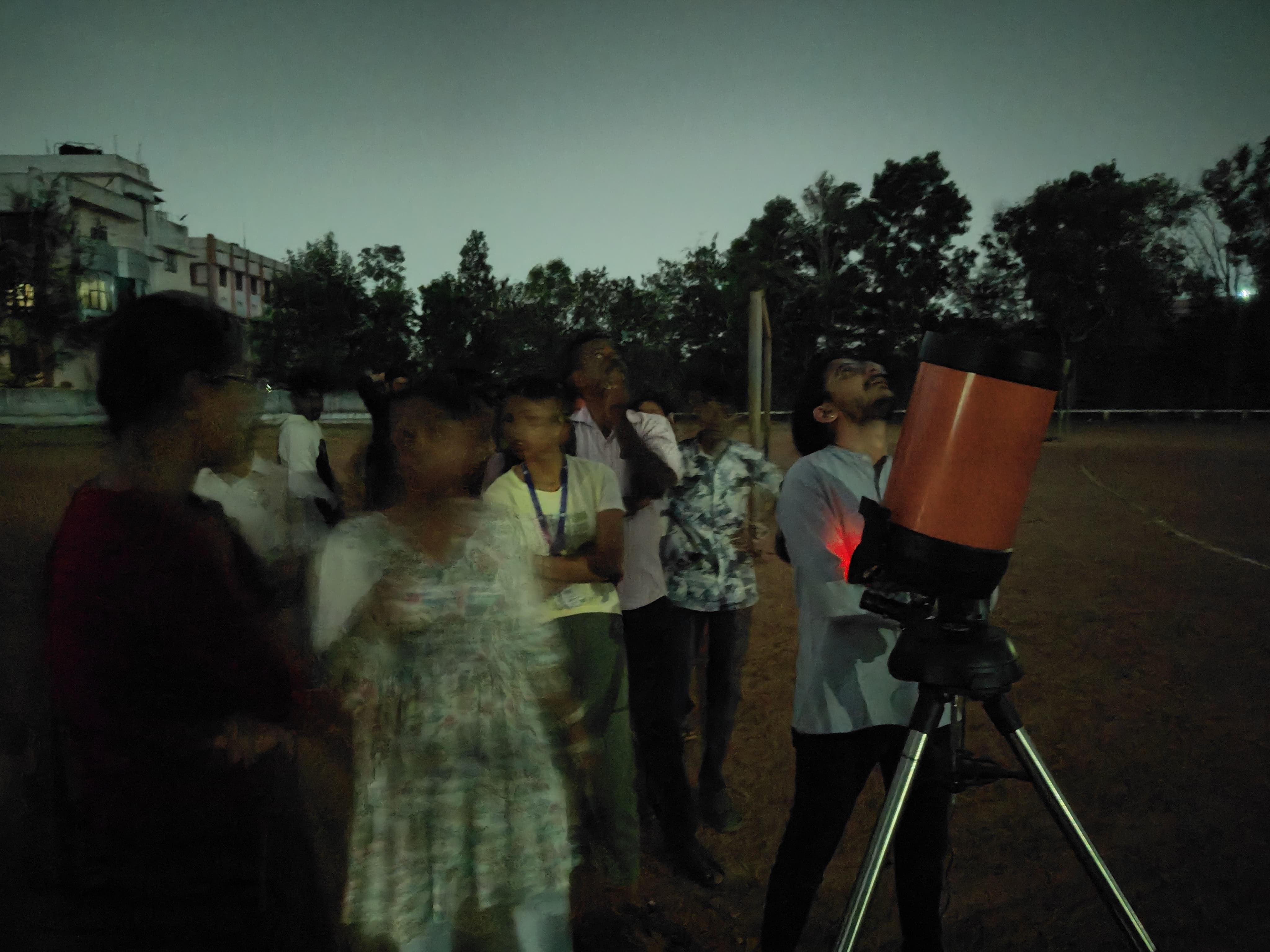
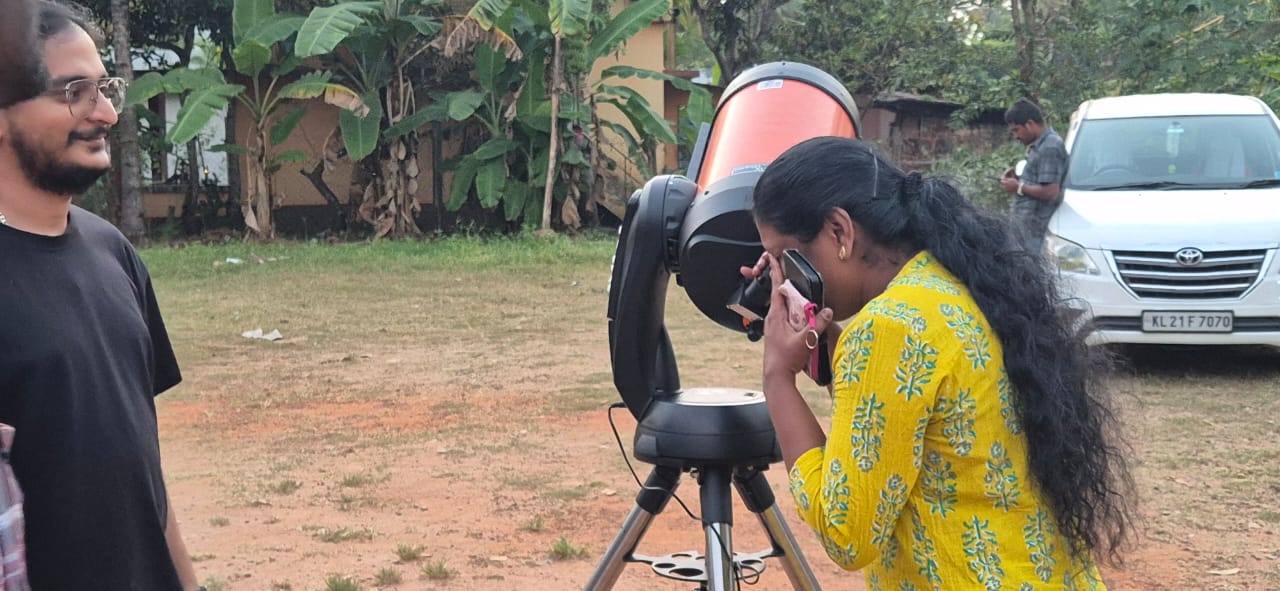
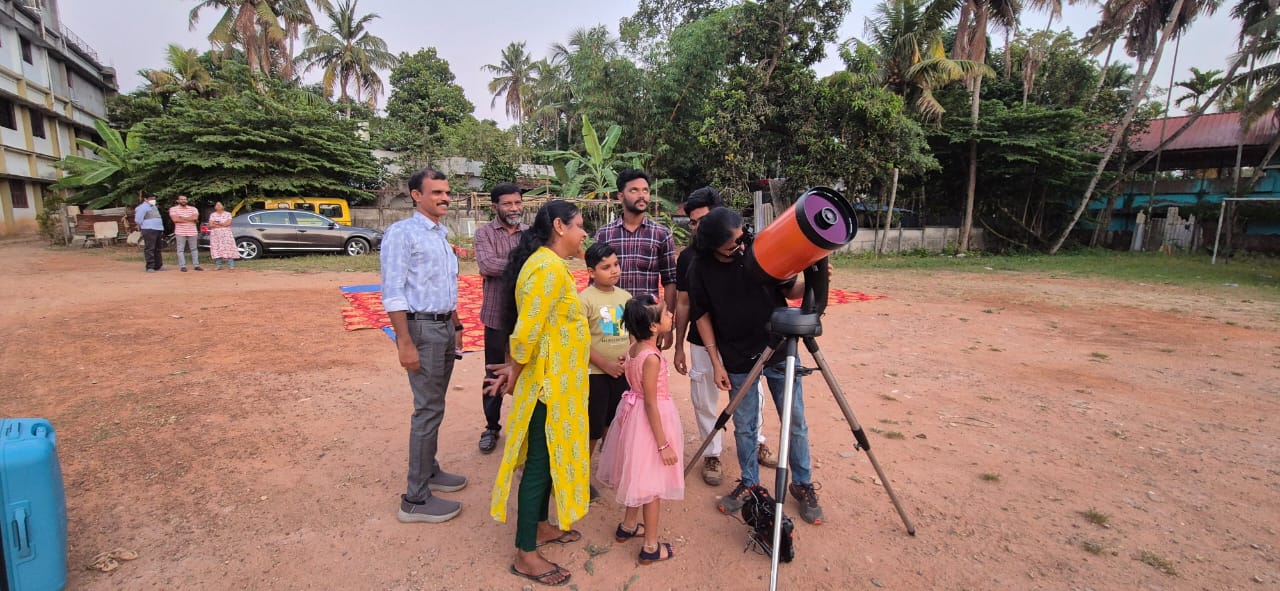
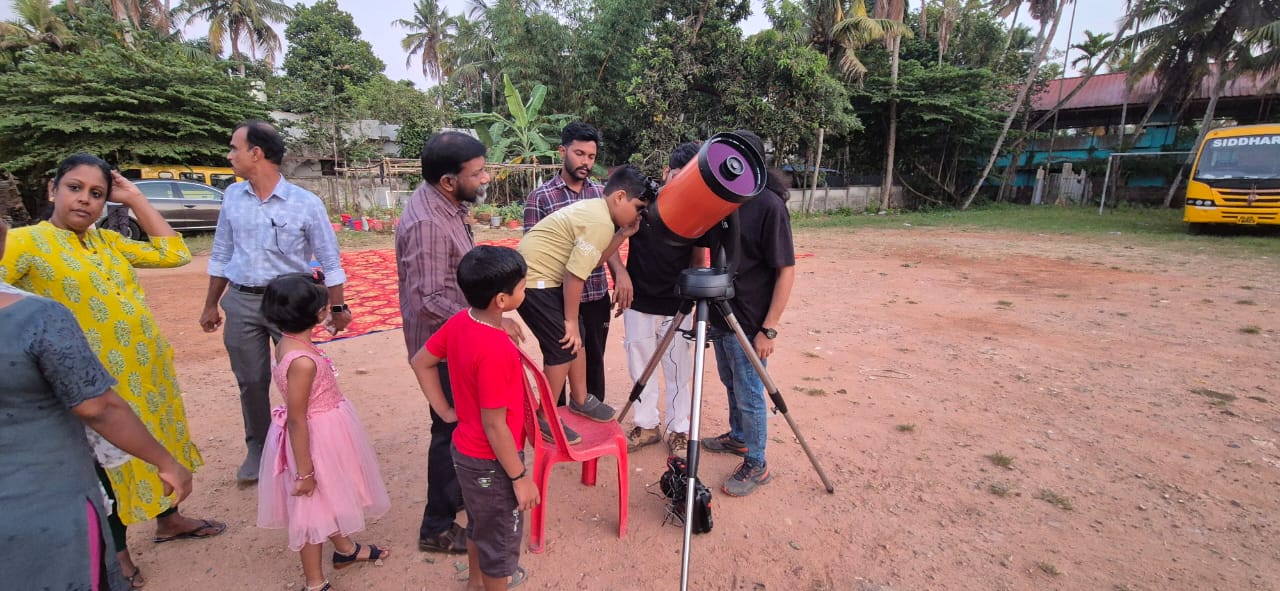
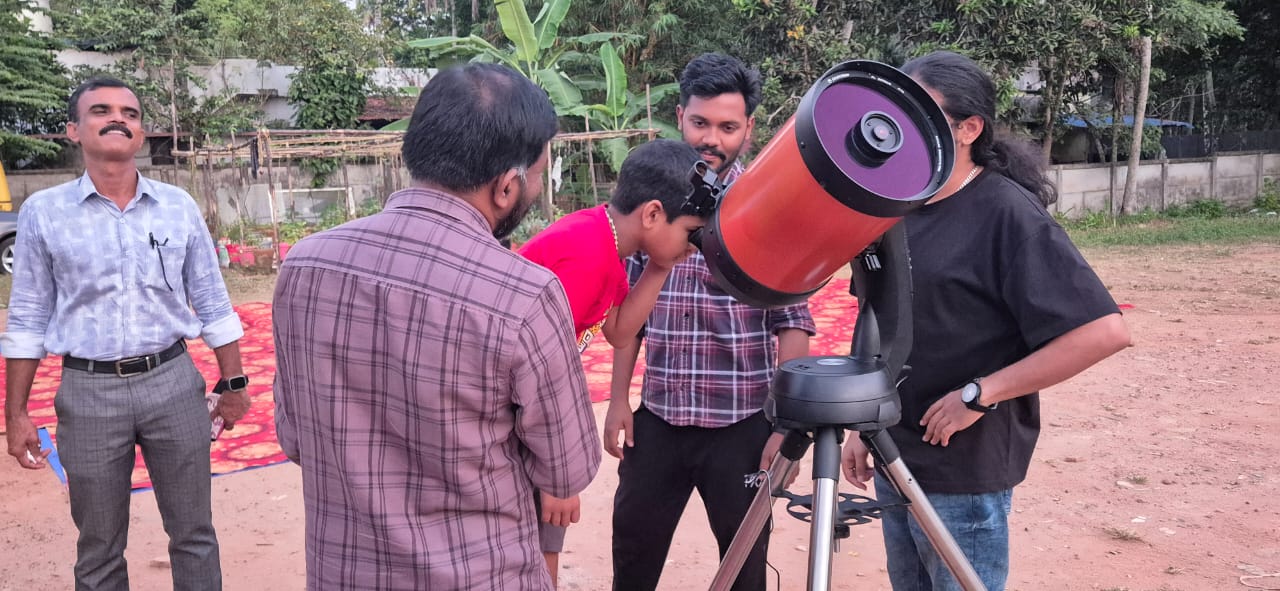
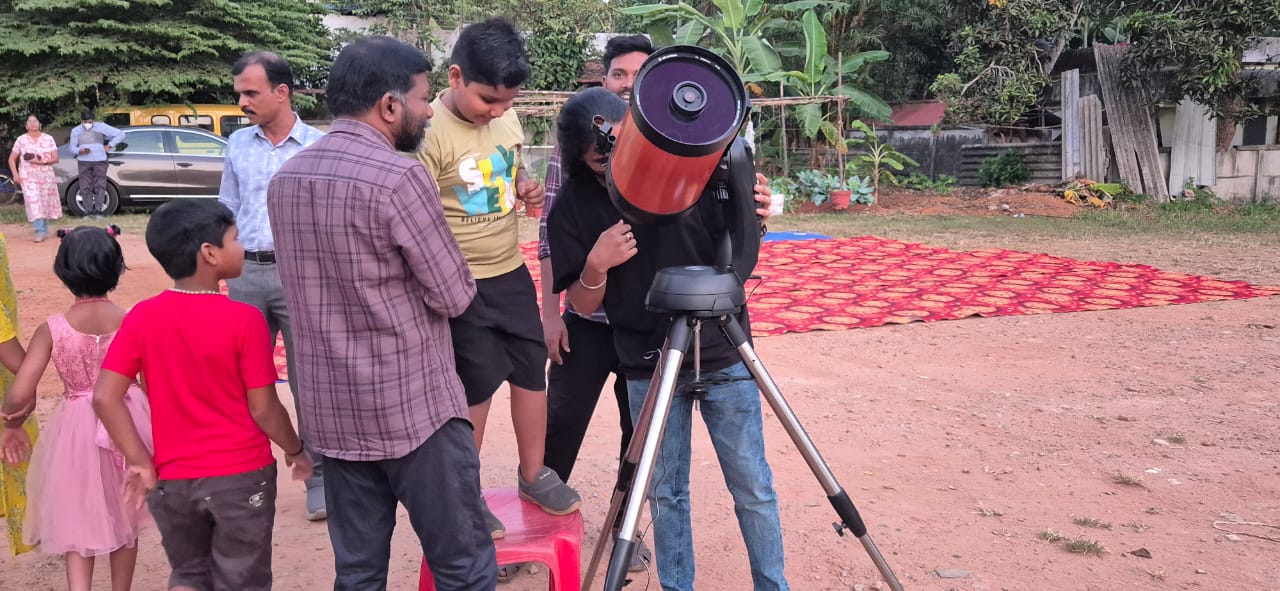
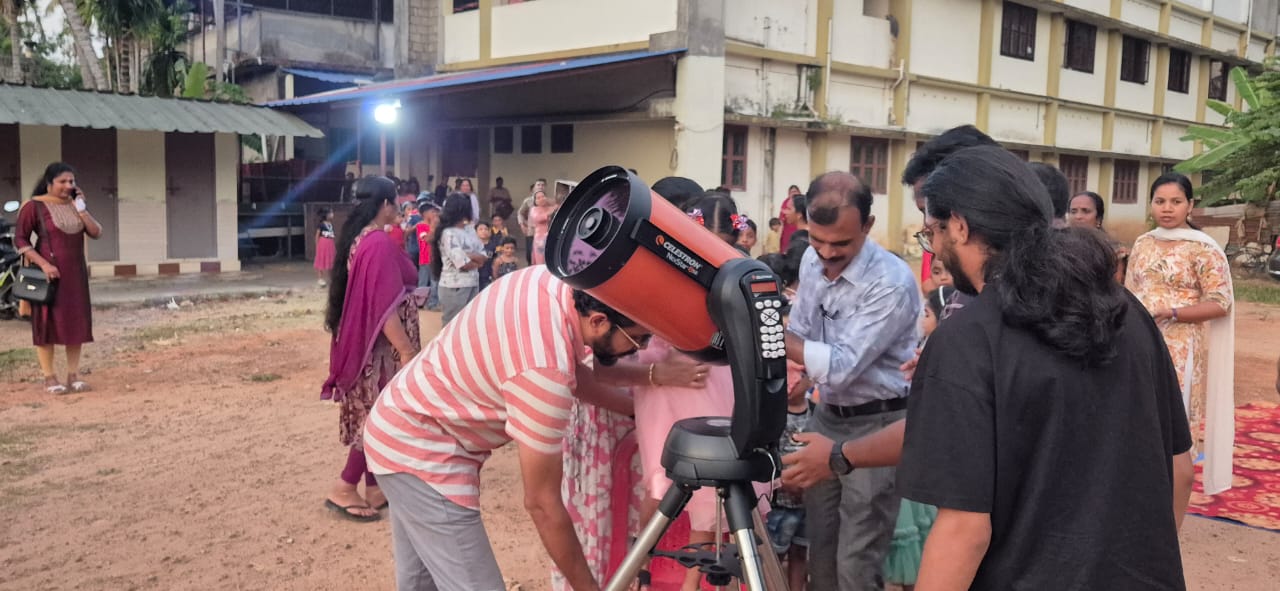
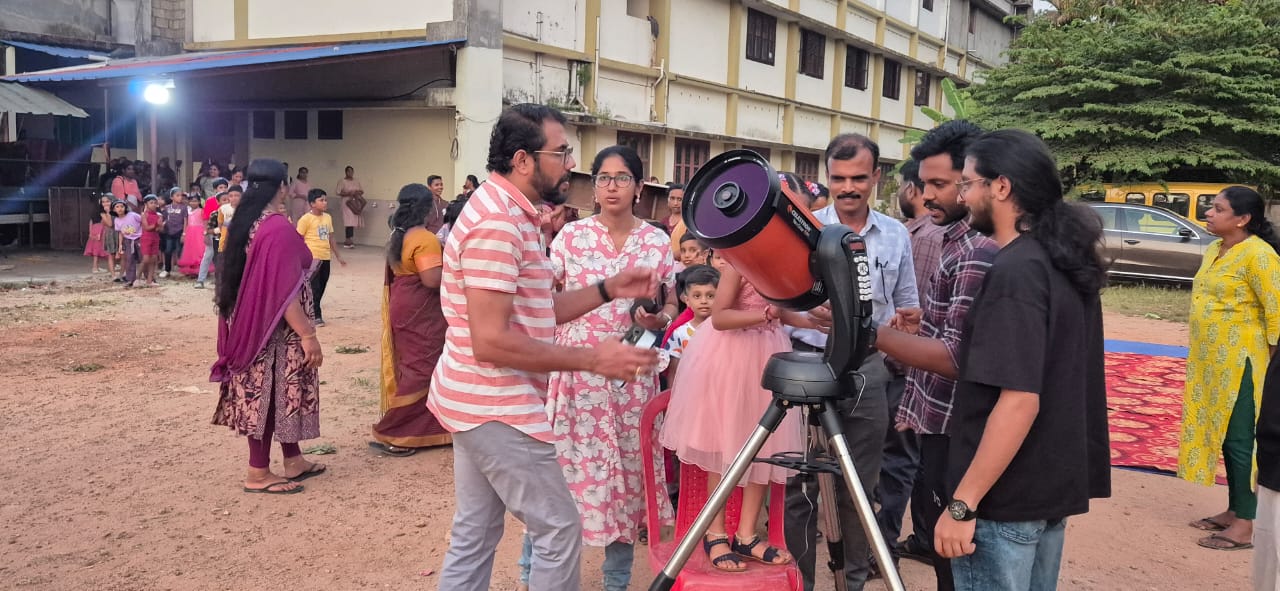
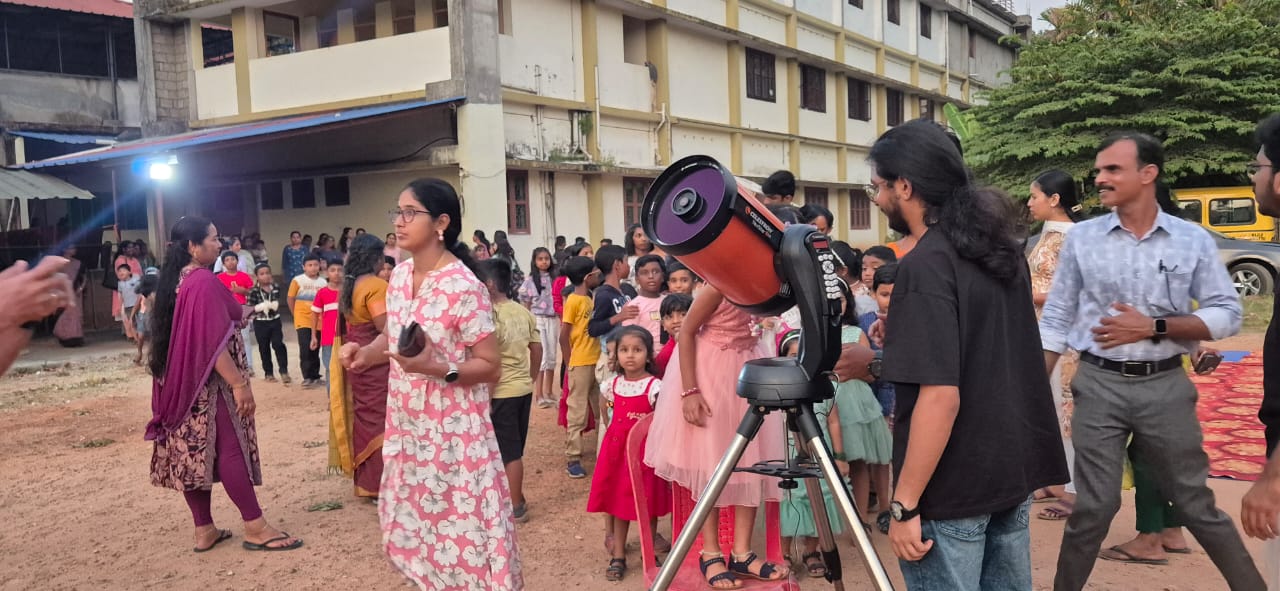
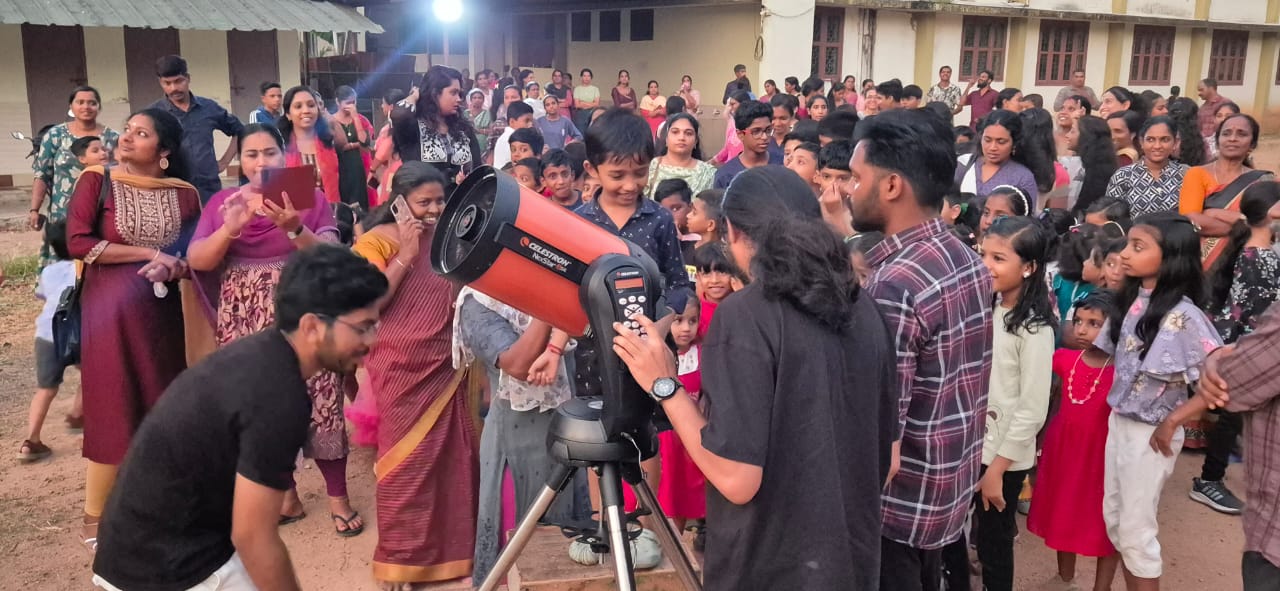
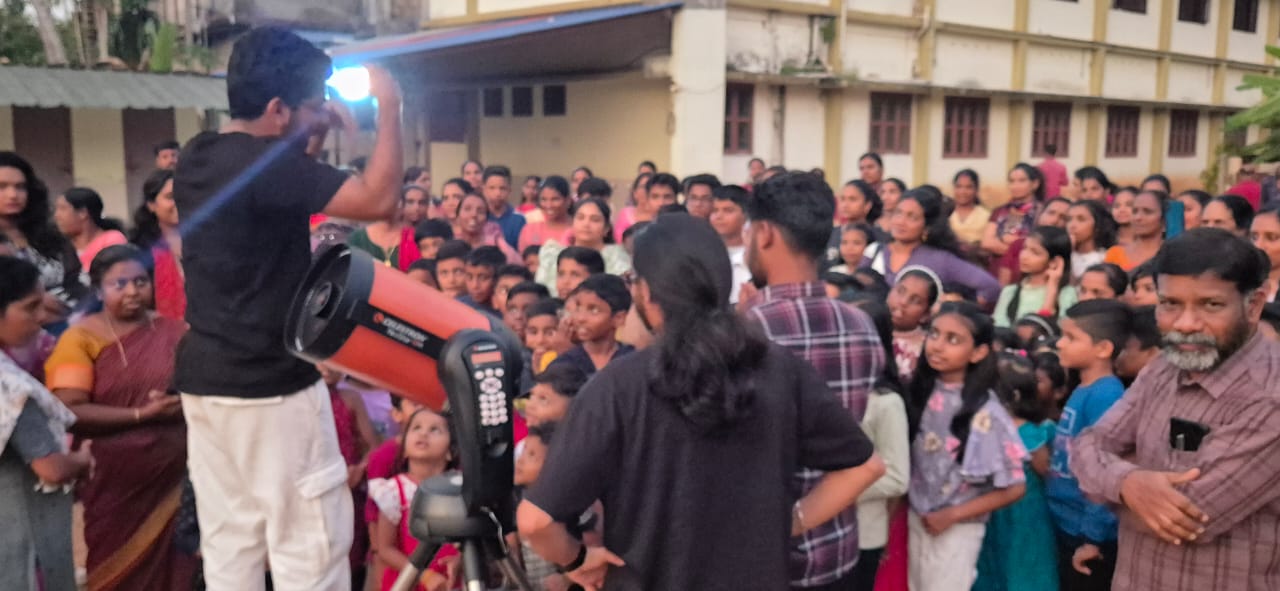
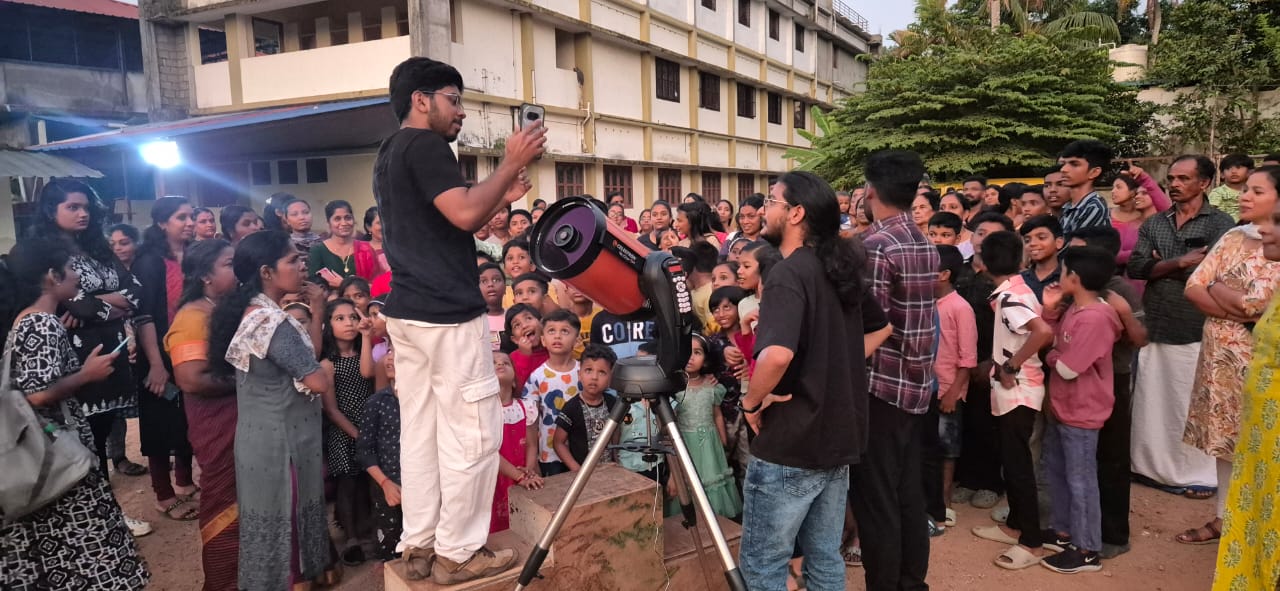
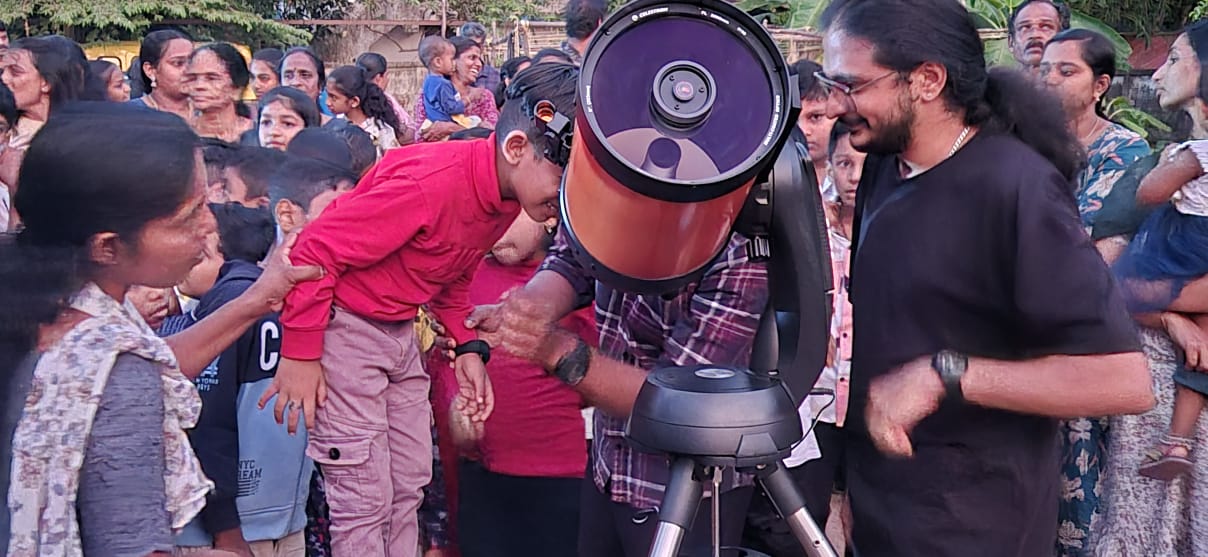
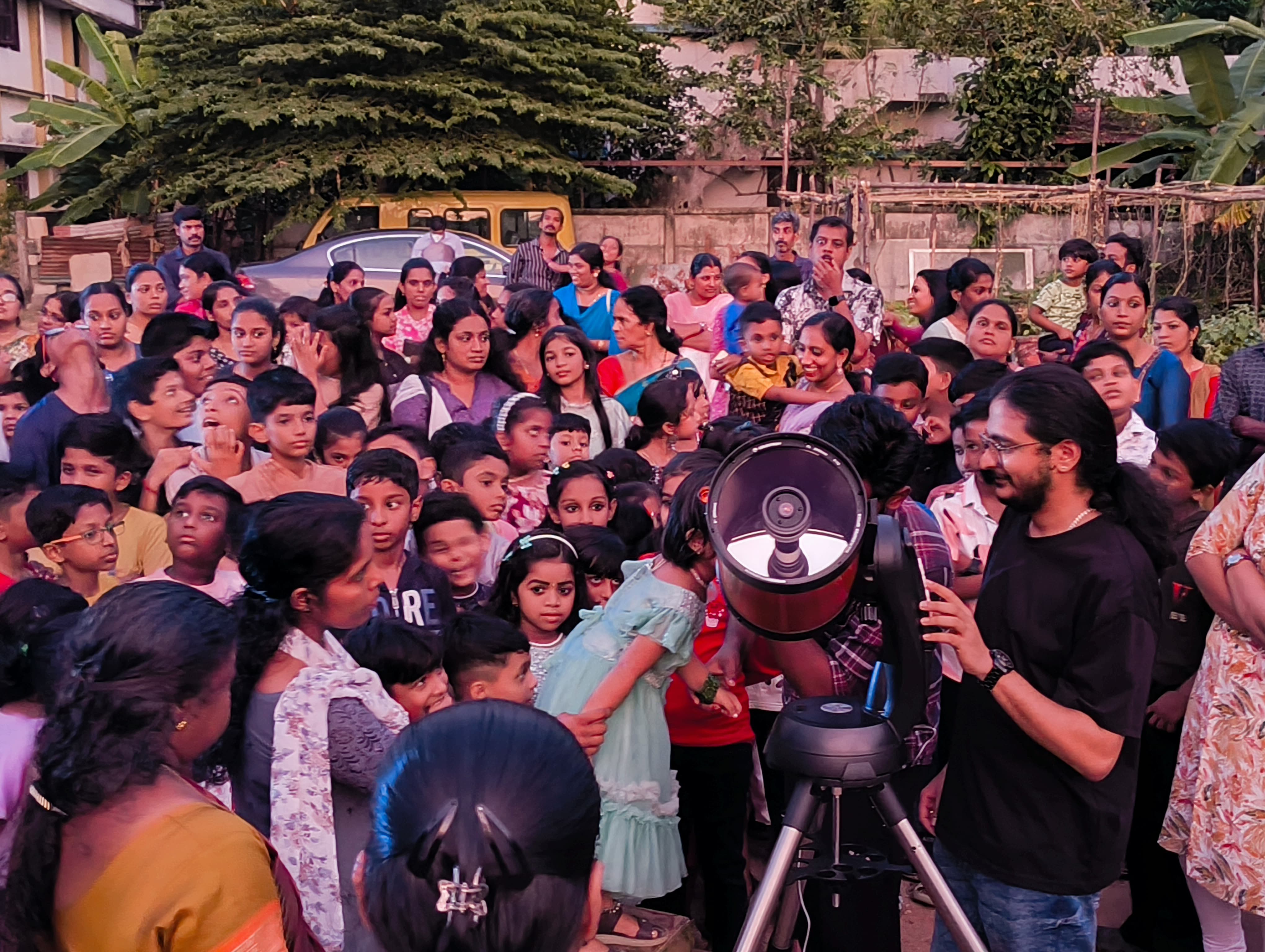
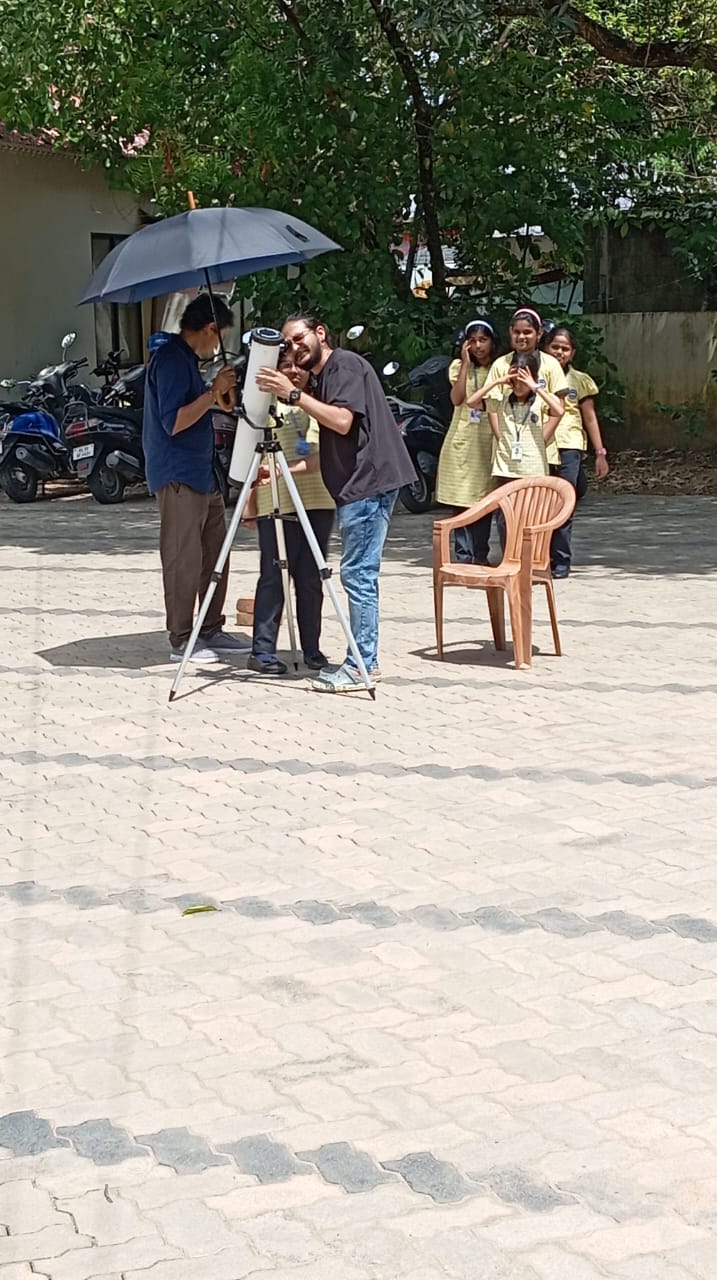
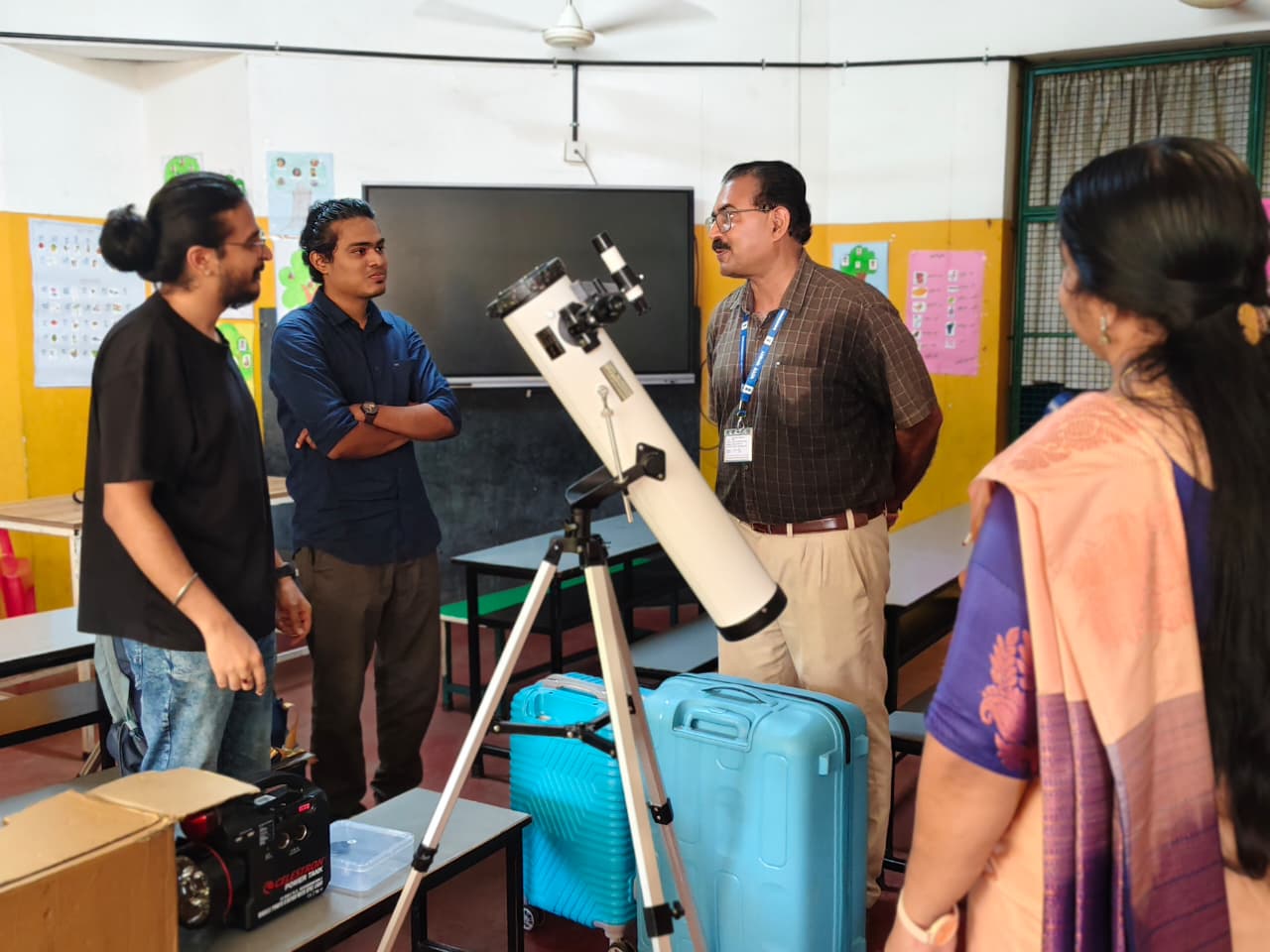
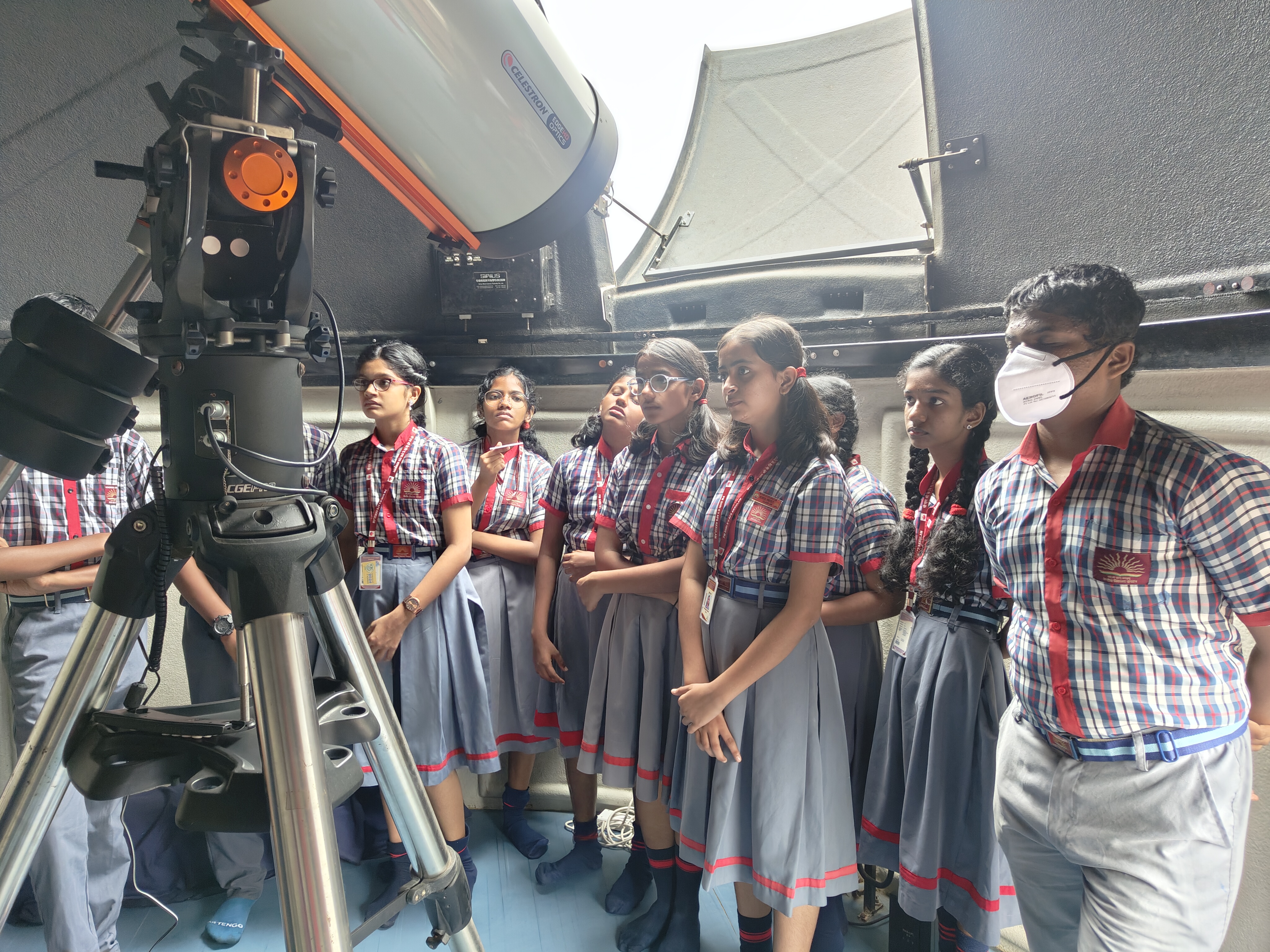
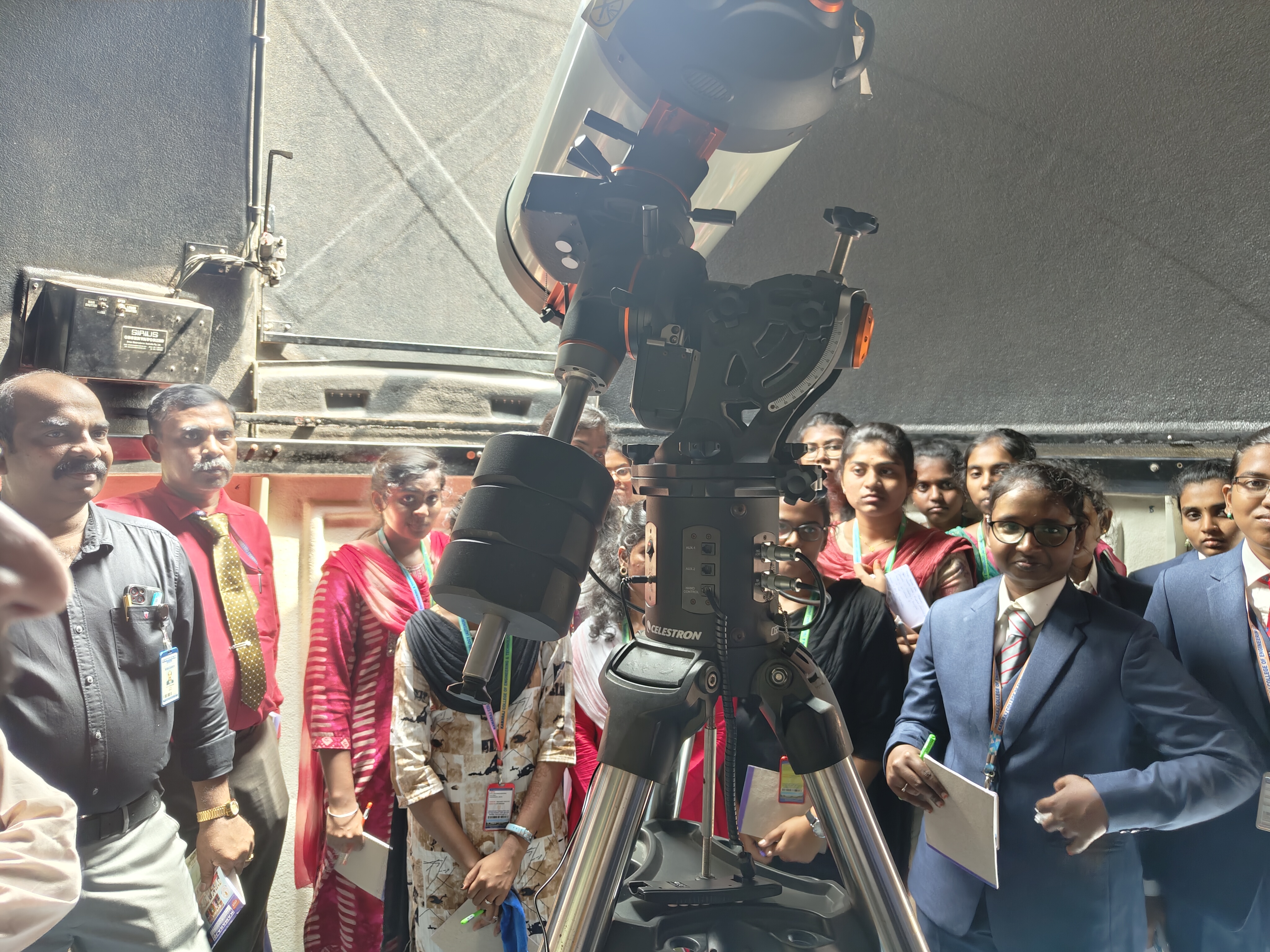
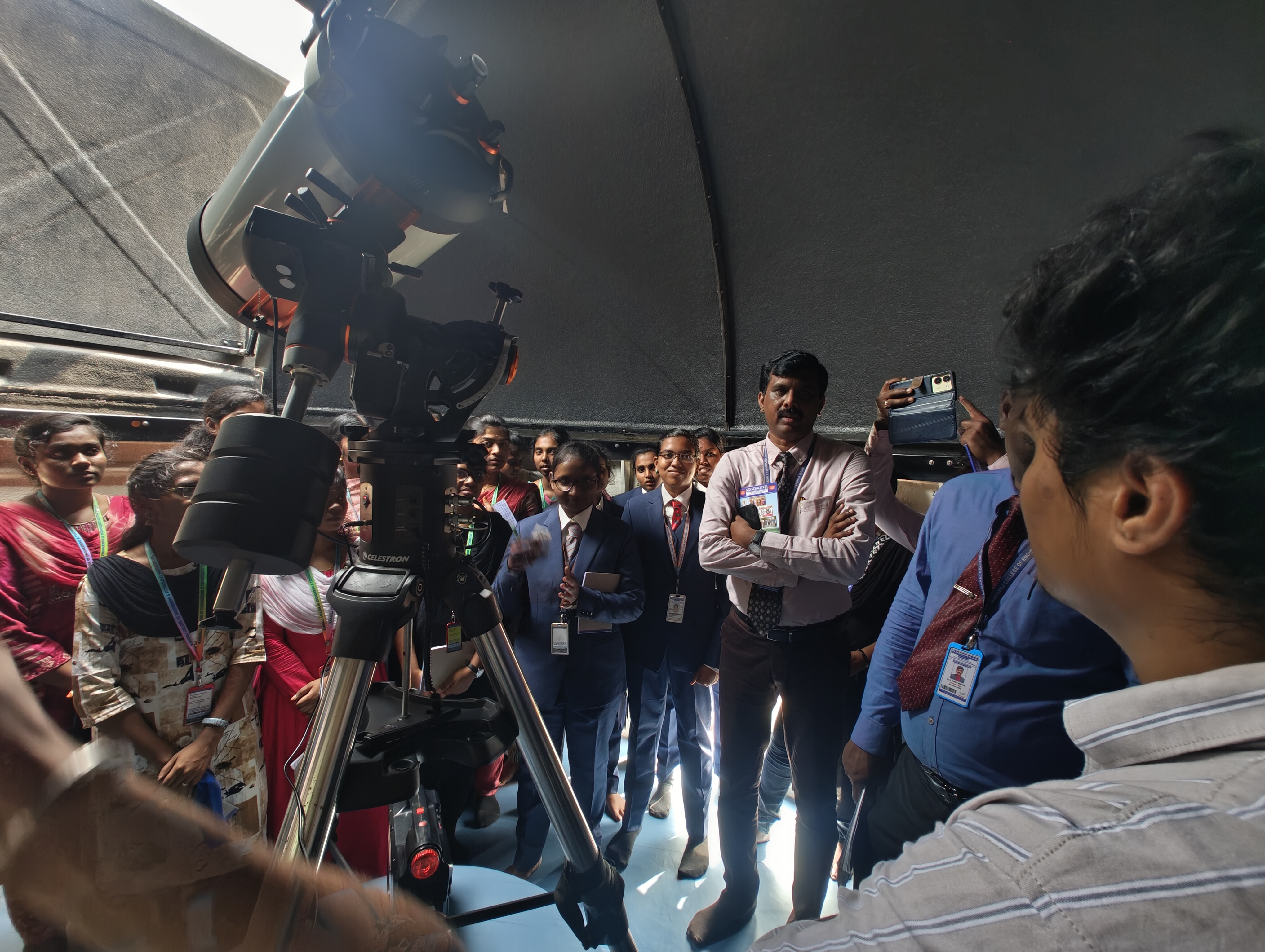
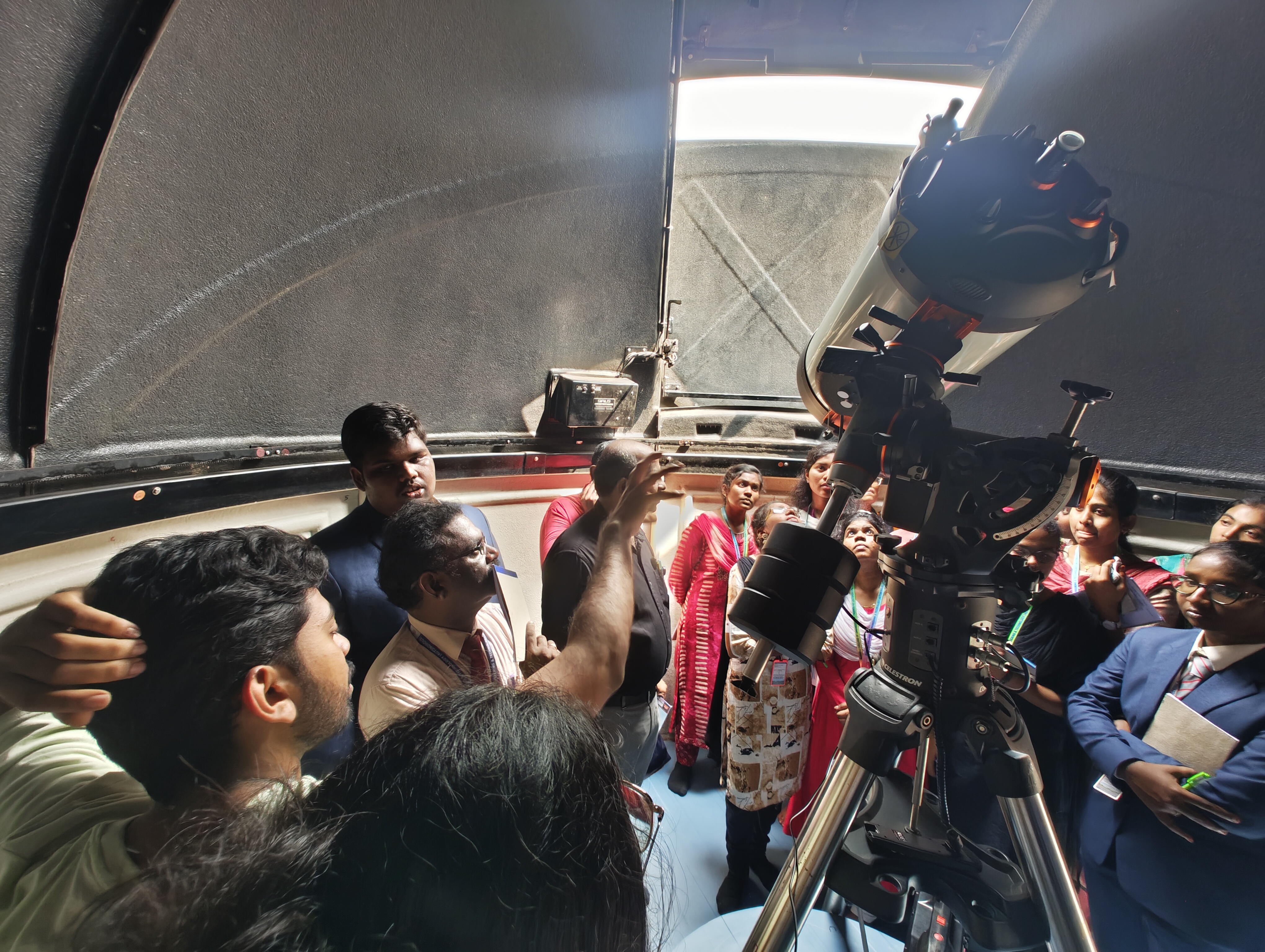
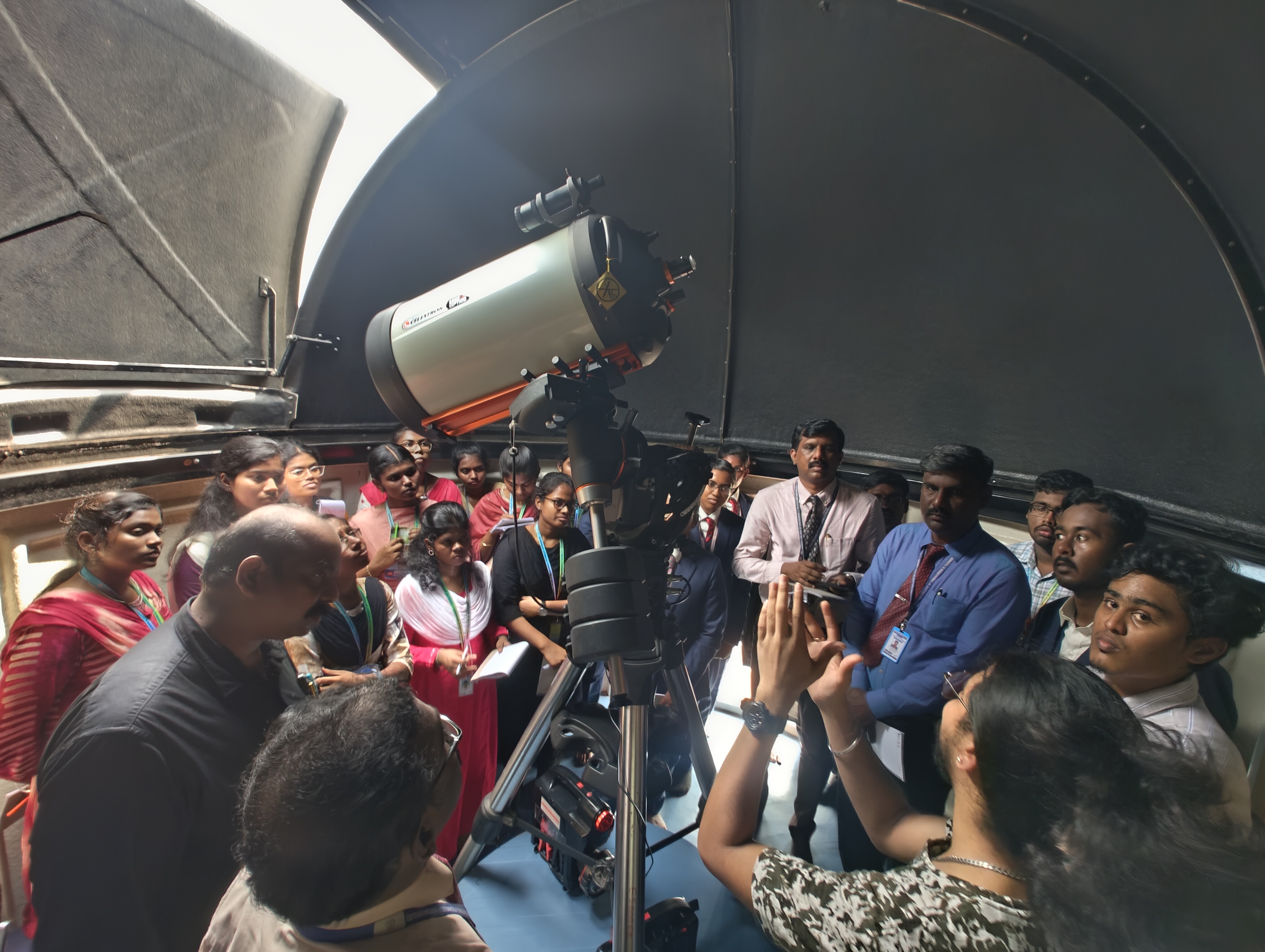
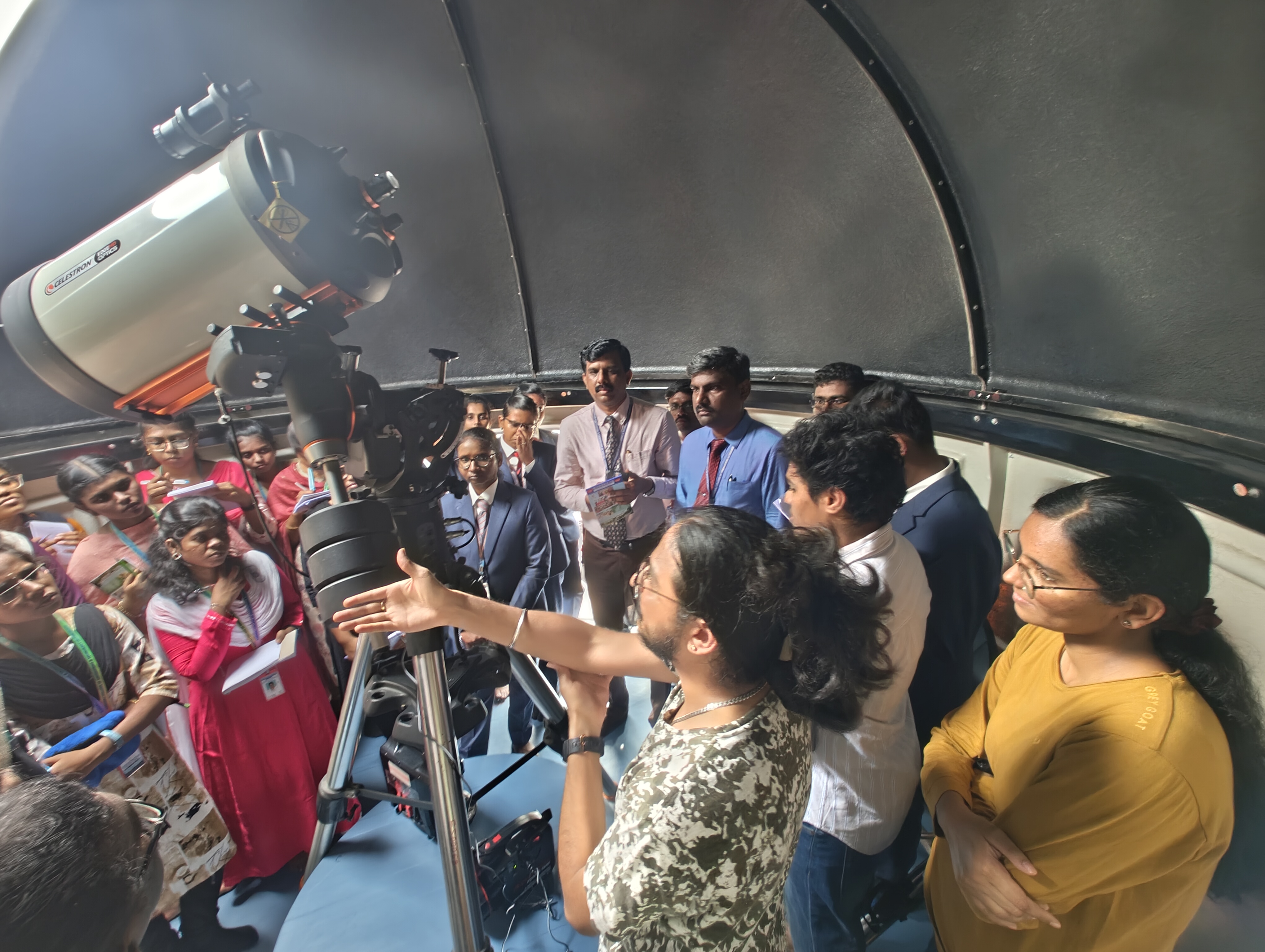
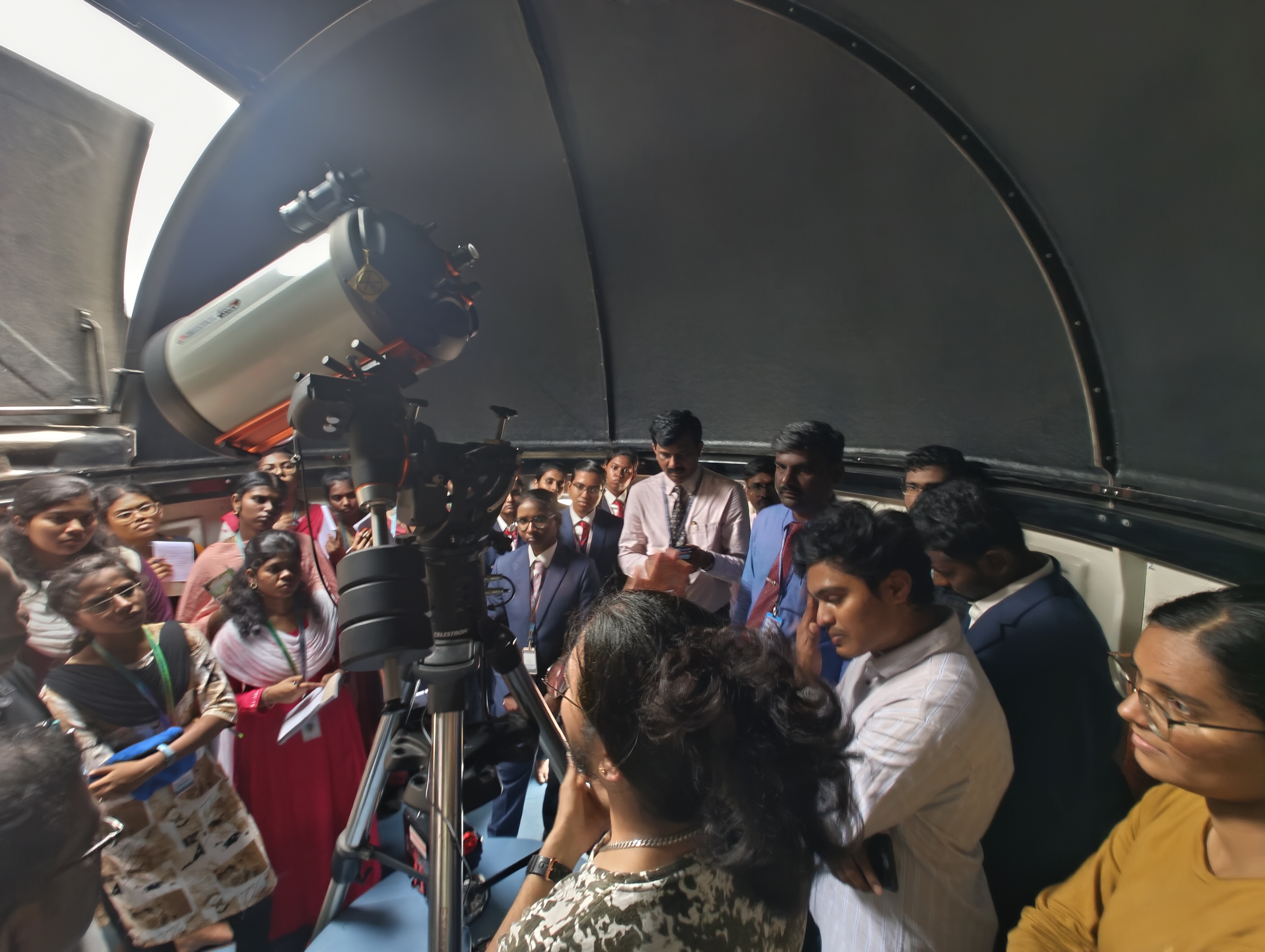
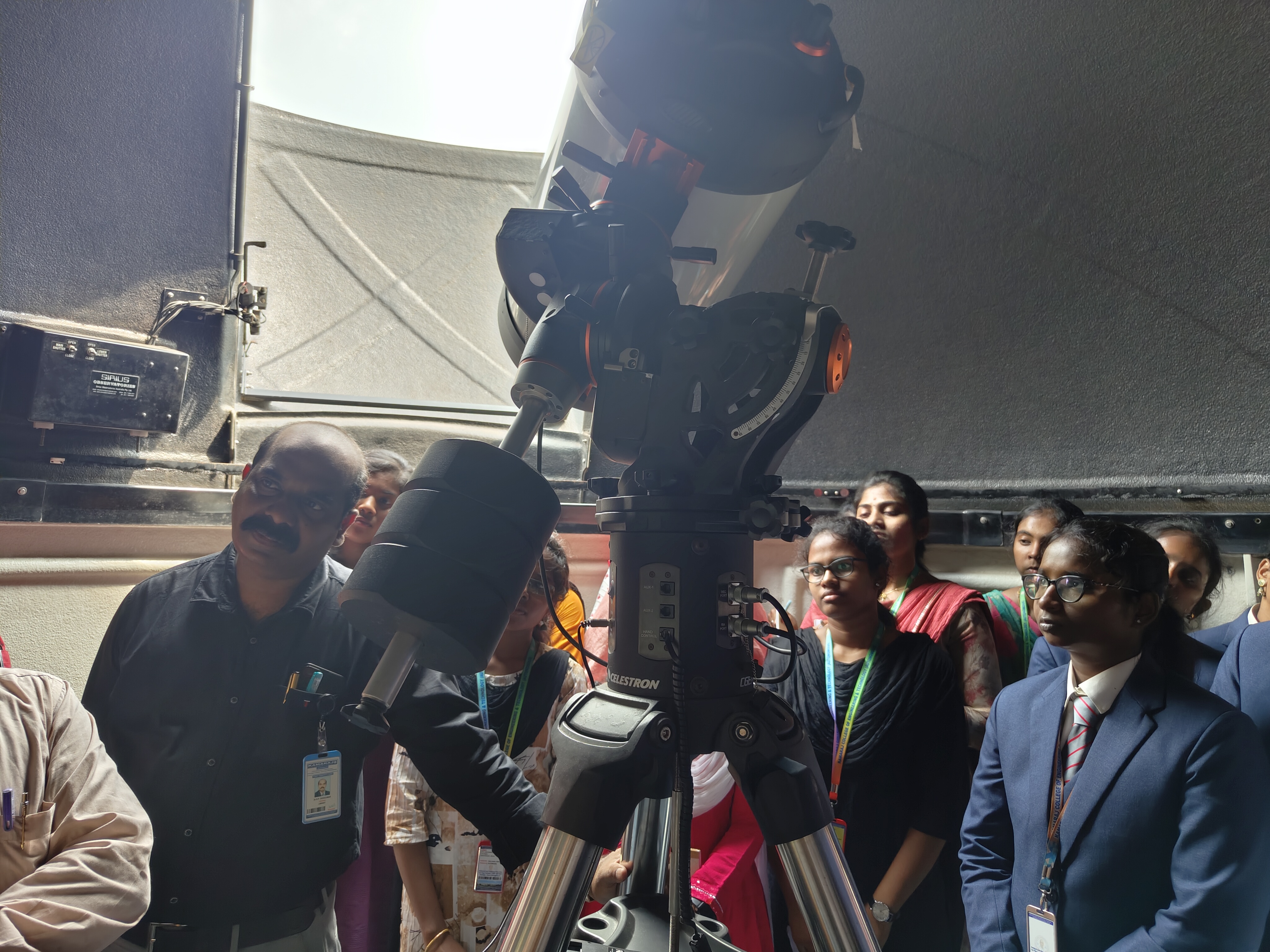
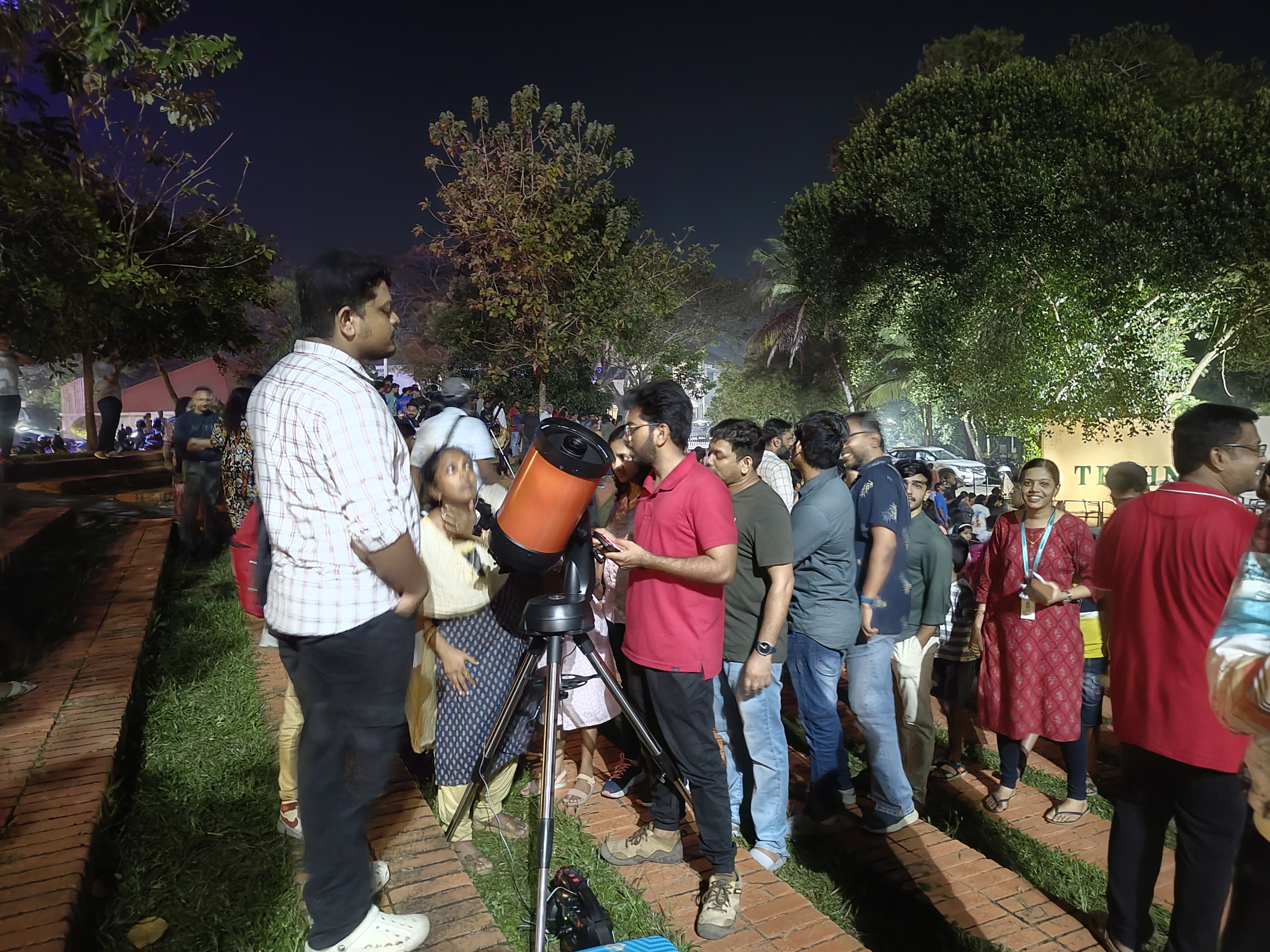
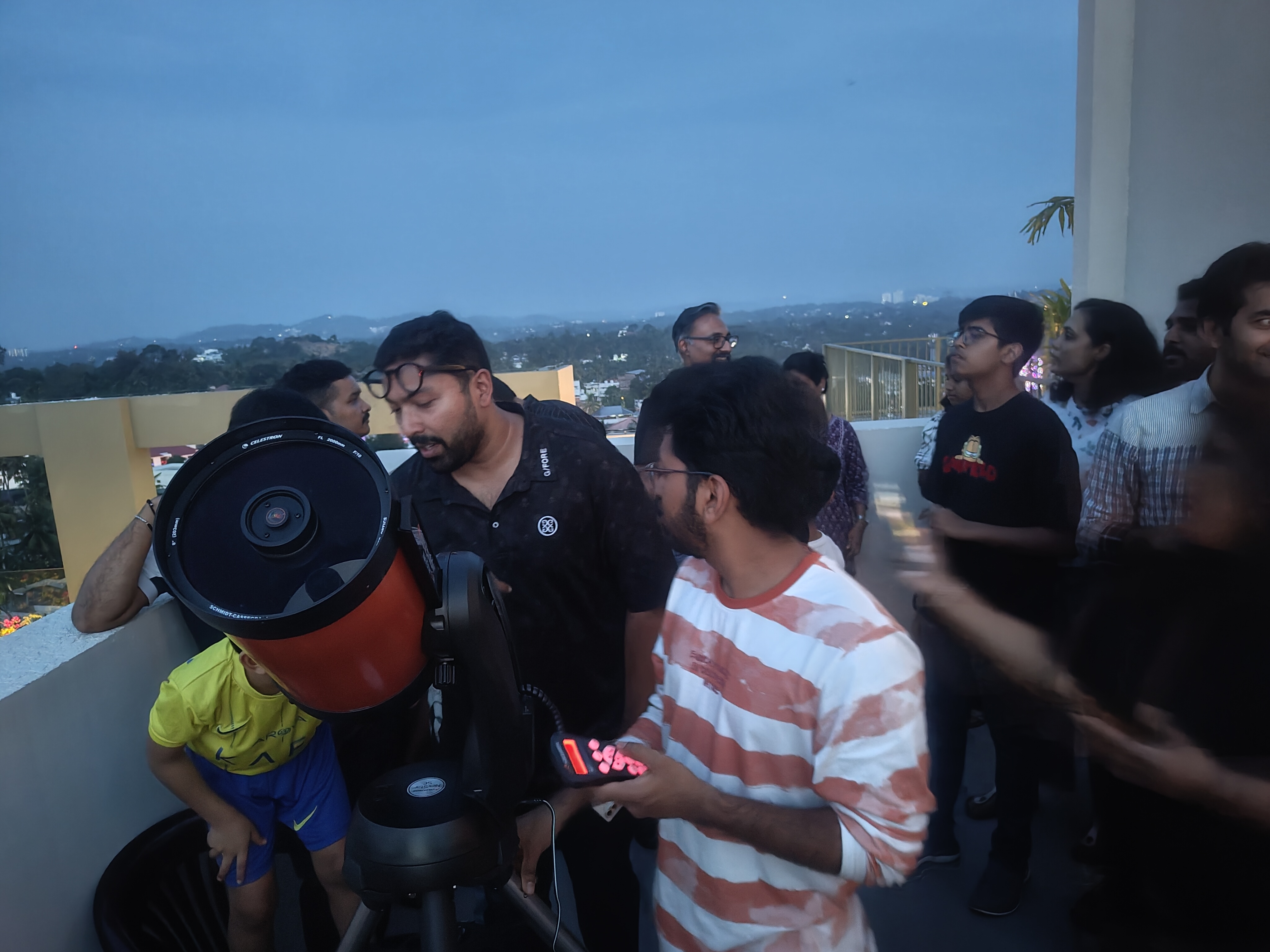
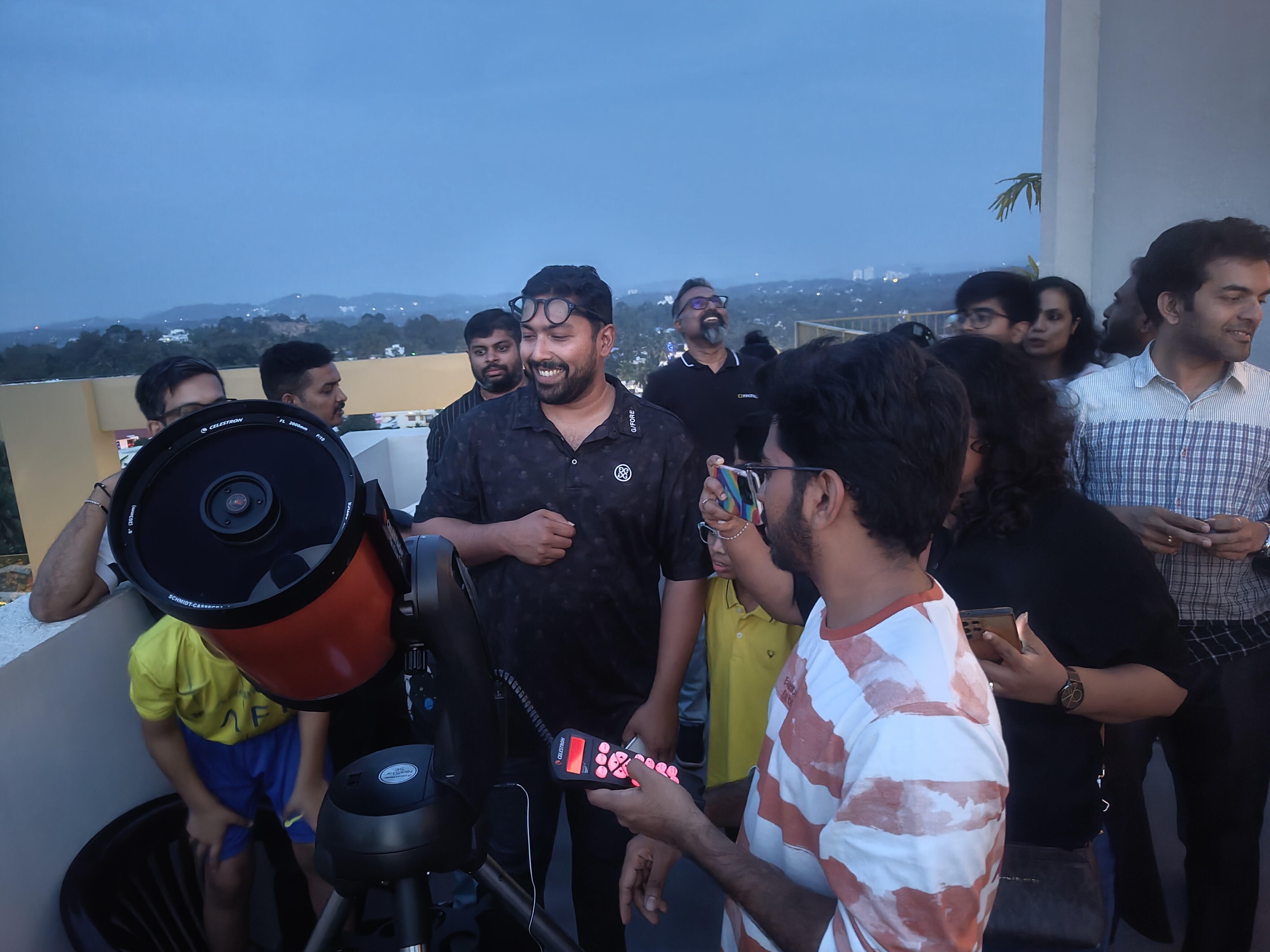
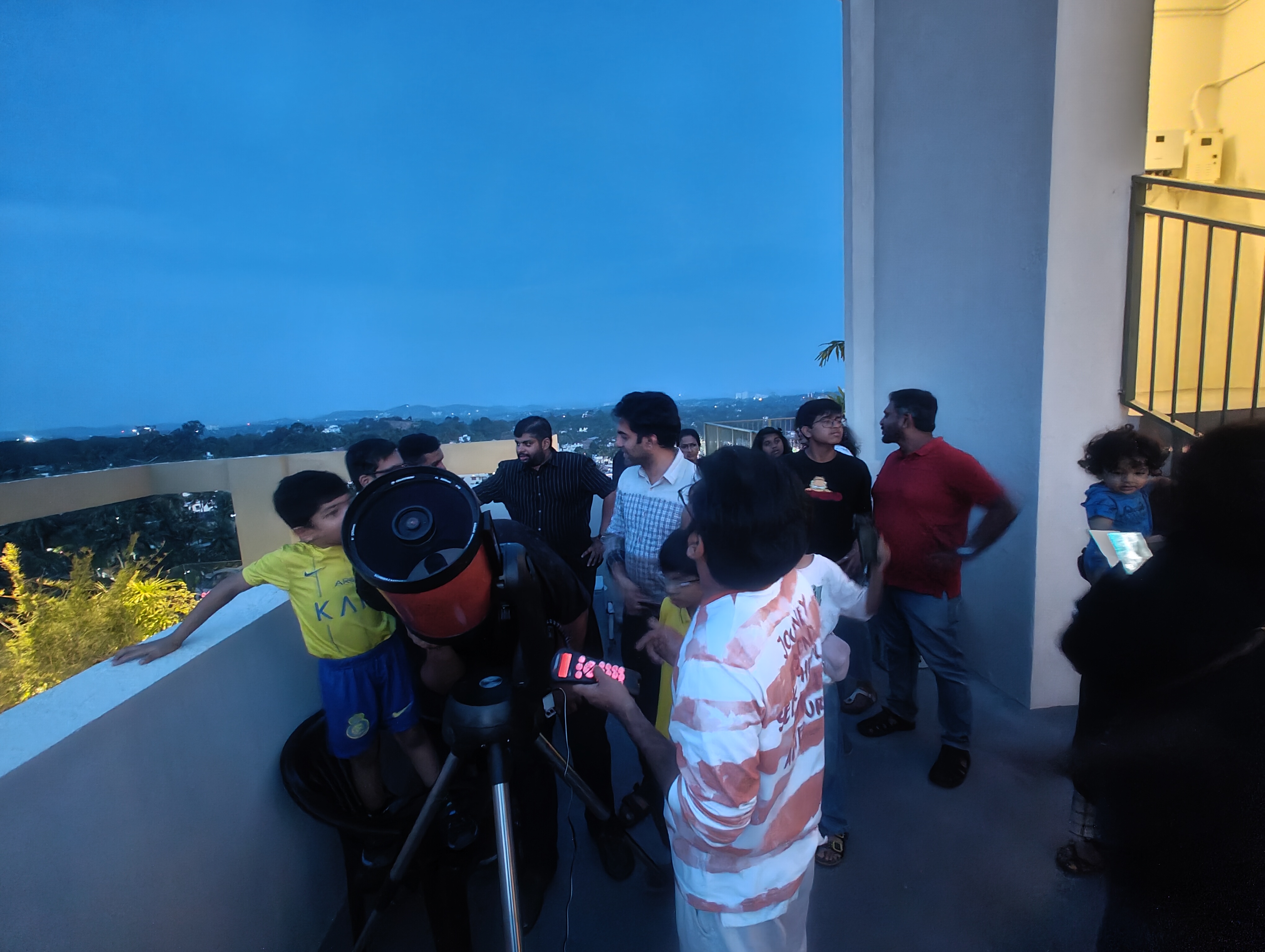
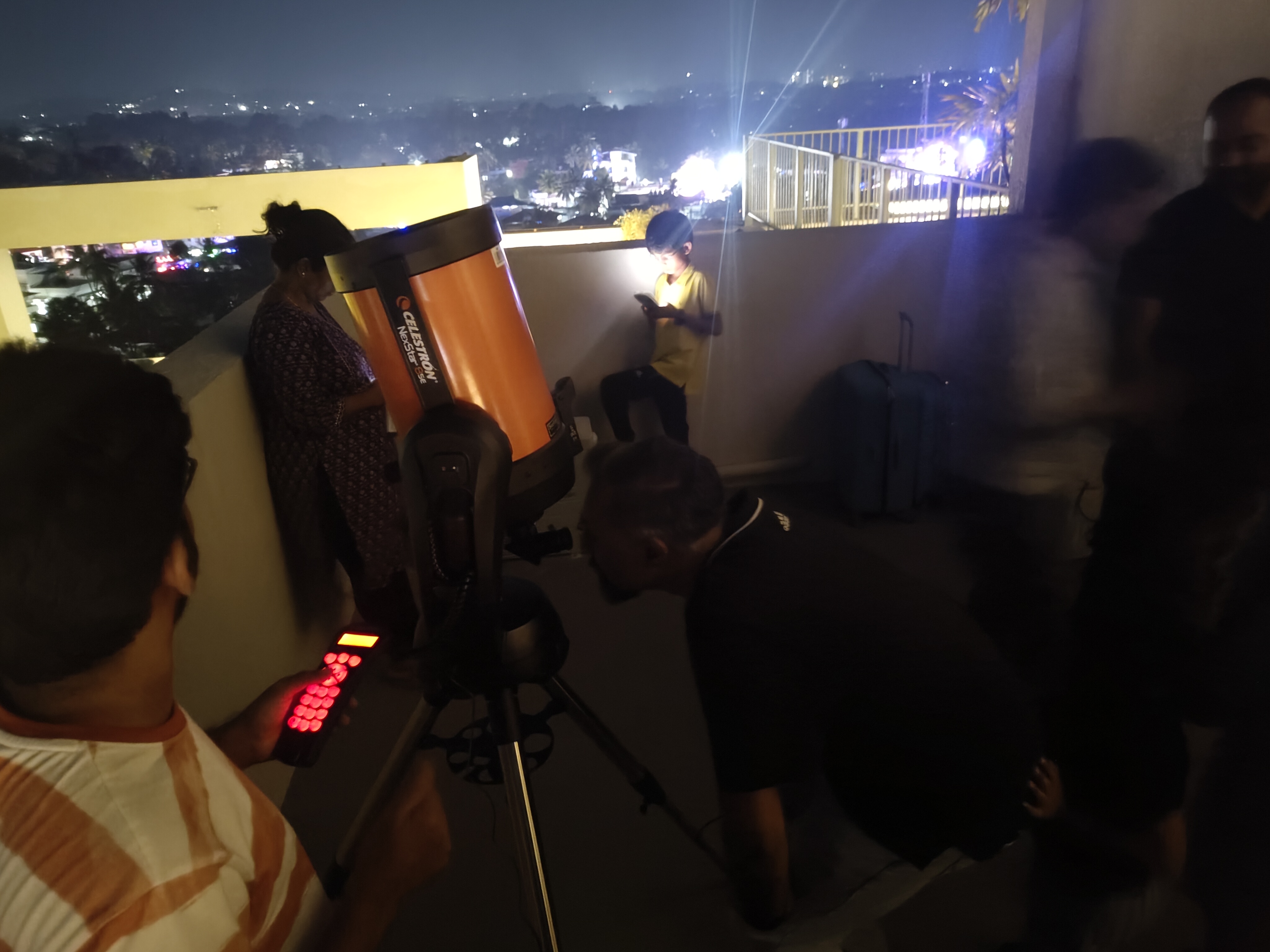
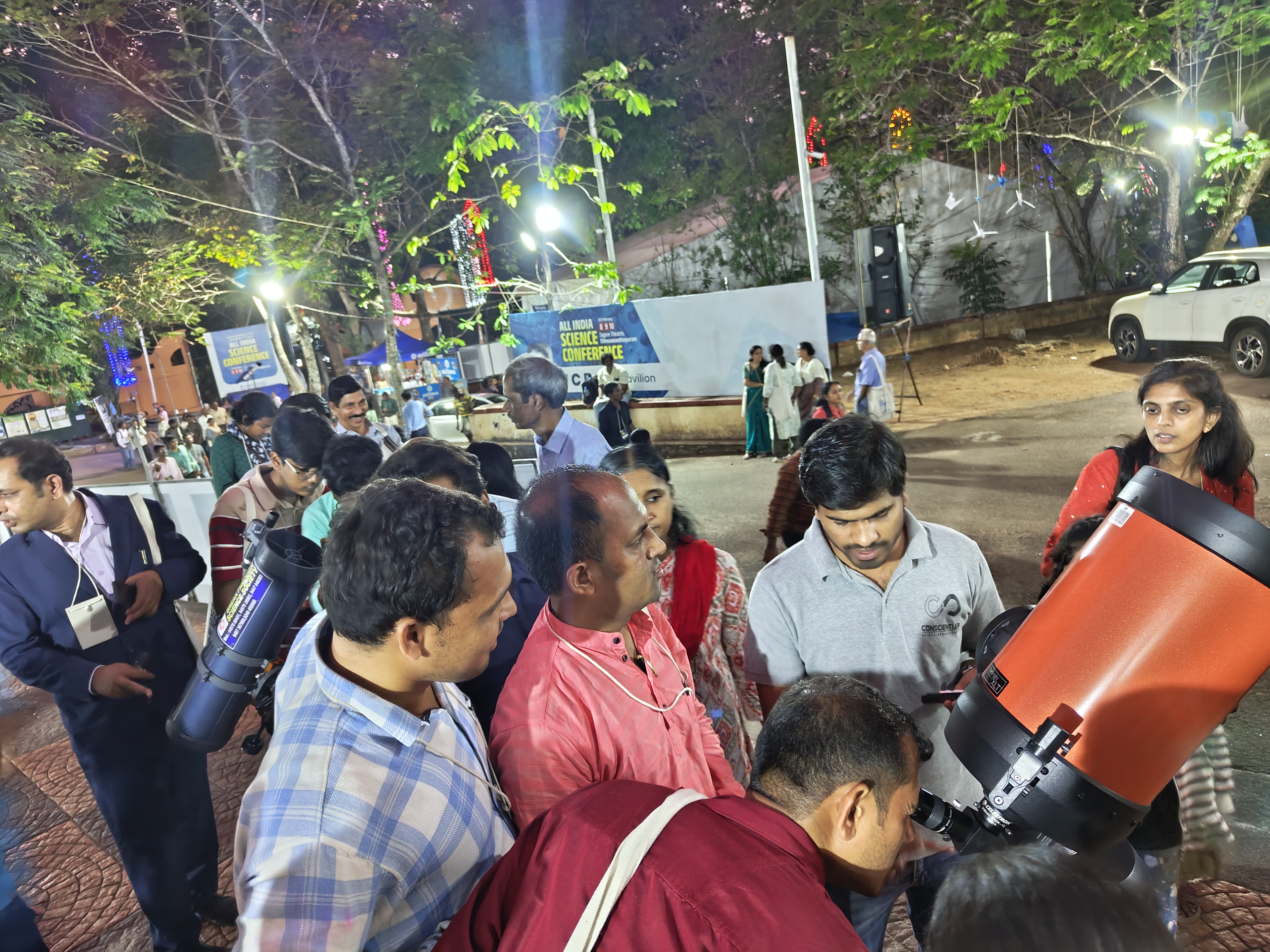
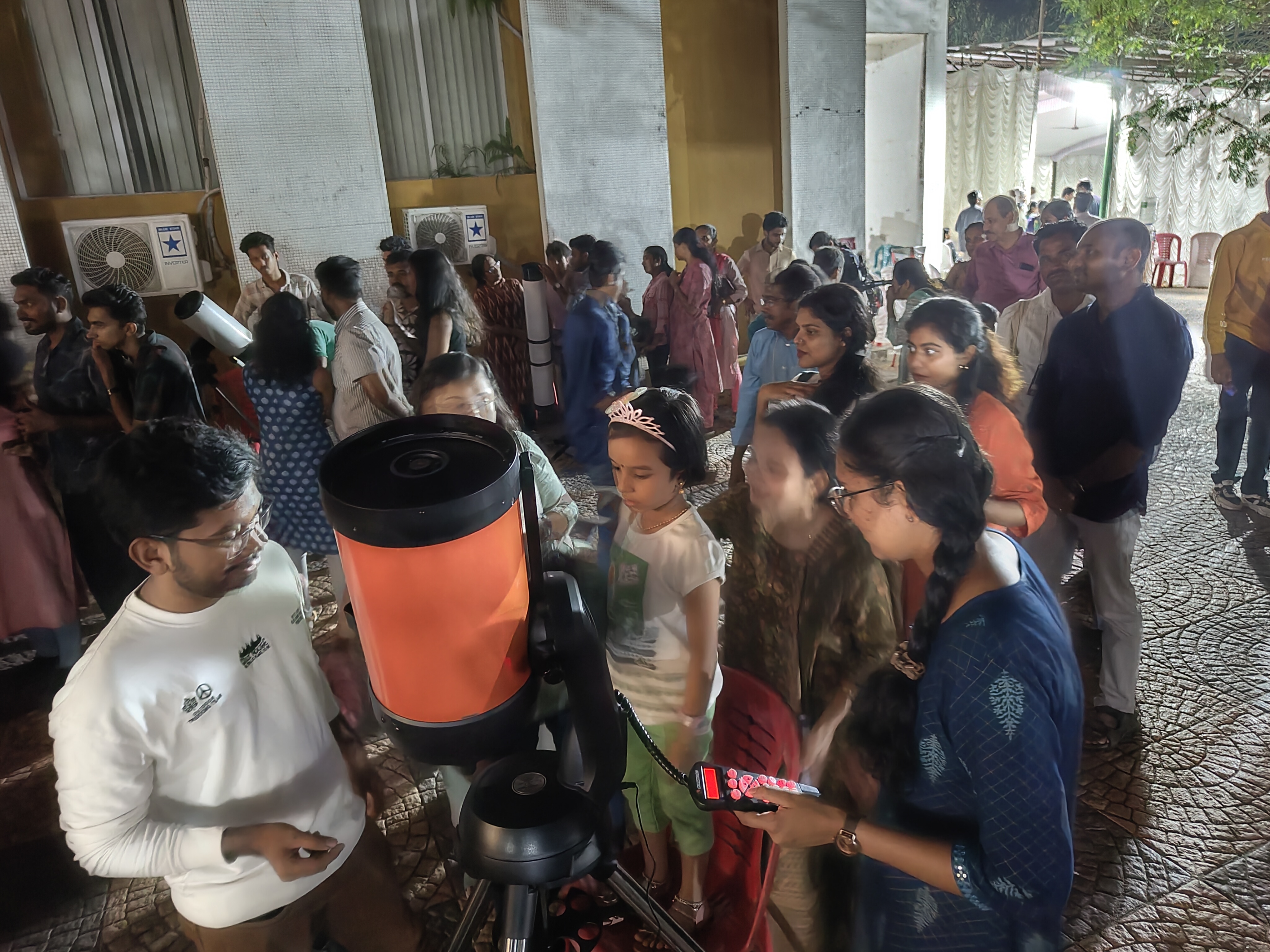
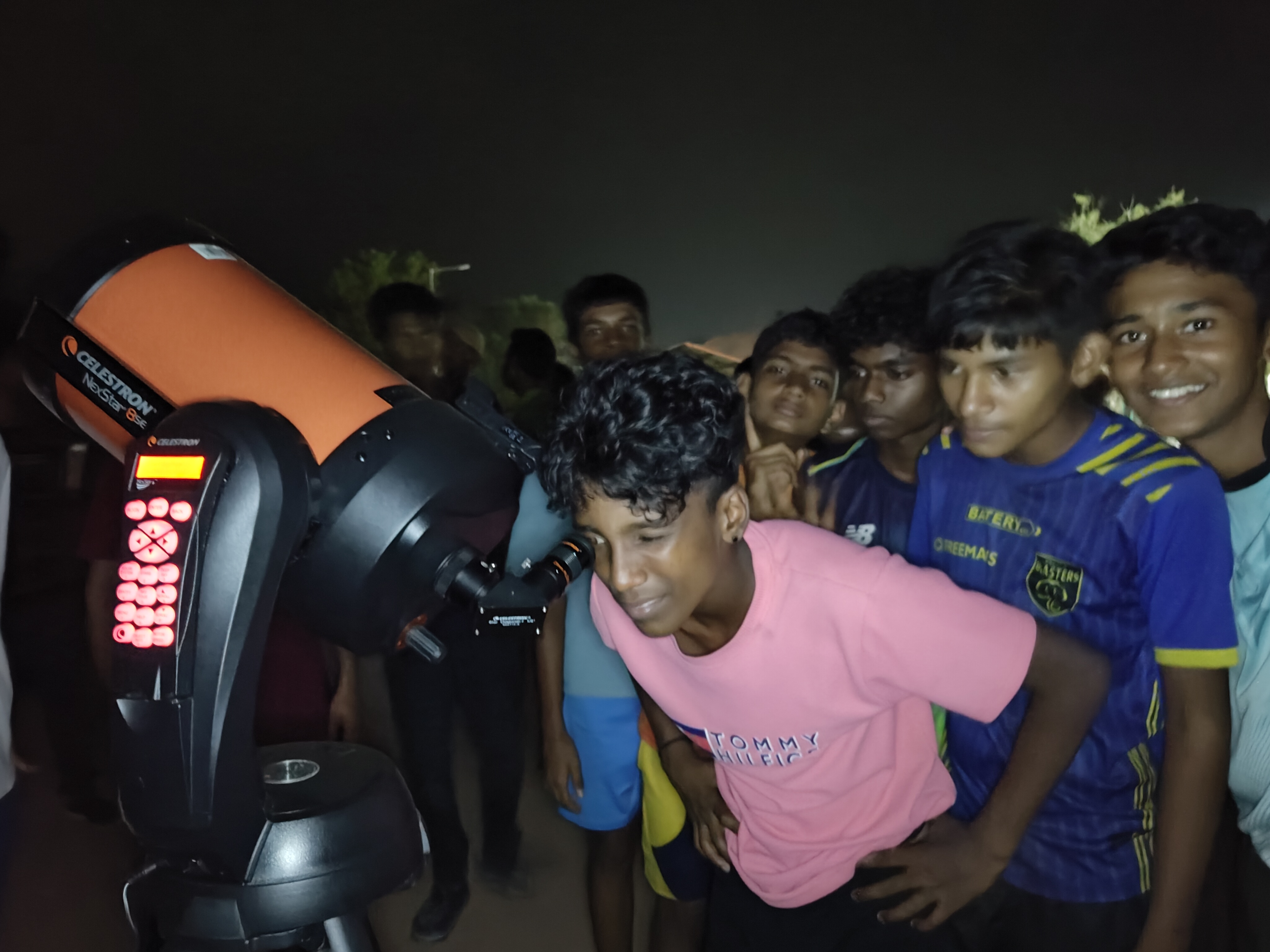
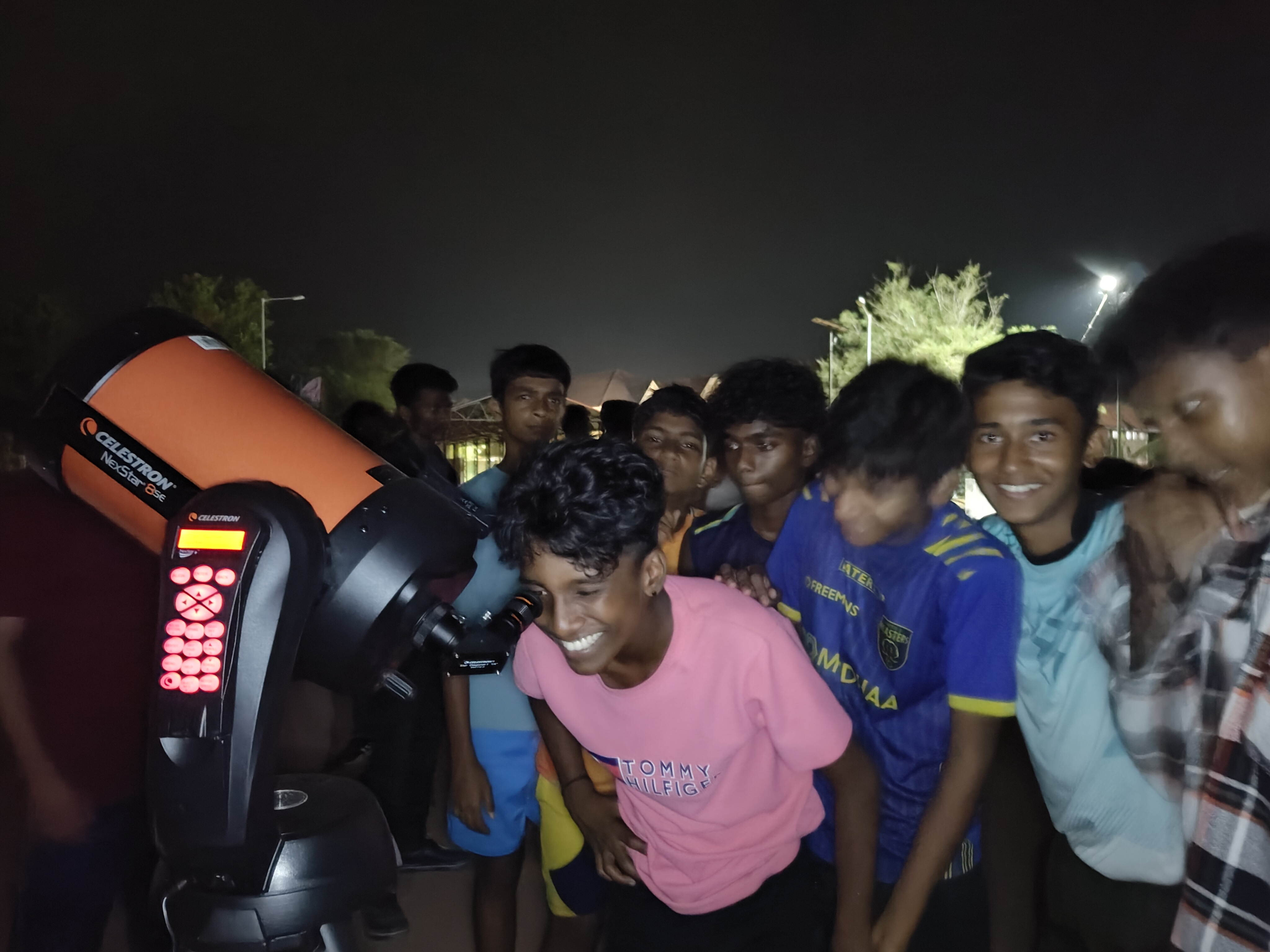
Bringing observational astronomy to students and public audiences through telescope sky-watching sessions and university instrumentation labs.

The COSMOS Project • Indian Institute of Astrophysics (IIA)

Project Assistant & Public Night-Sky Sessions

Contributed to public astronomy outreach under Dr. Niruj Mohan Ramanujam at the Indian Institute of Astrophysics (IIA), Bengaluru, conducting public lectures, telescope observation sessions of lunar, planetary, and nebular targets, and educational workshops for school and college students.

Department of Earth & Space Sciences • IIST

Teaching Assistant — Observational Astronomy

Mentor M.Sc. Astronomy and Astrophysics students at IIST in hands-on observational astronomy techniques, including CCD imaging acquisition with the departmental telescope, calibration frames, and observational data reduction procedures.

07 — Beyond the Observatory Cinema • Hindustani Vocal

Cinema, Television & Hindustani Classical Music

Alongside astrophysics research, I have acted in acclaimed Kannada feature films—including the National Award-winning Kurmavatara—and television productions, and trained formally in Hindustani Classical vocal music.

Classical Vocal Training • Praveshika Poorna

Hindustani Classical Music

Completed Praveshika Poorna in Hindustani Classical vocal music, with a continuing dedication to classical raga performance and musical theory.

08 — Correspondence IIST Thiruvananthapuram

Contact & Research Collaboration

Open to discussions on quasar absorption spectroscopy, CGM/IGM galaxy surveys, cosmological simulation comparisons, and astronomy outreach.

Institutional Email (IIST)
sumukharb.24@res.iist.ac.in
Departmental Address
Indian Institute of Space Science and Technology (IIST)
Department of Earth and Space Sciences, Valiamala, Thiruvananthapuram, Kerala 695547, India
Academic & Social Profiles